🚨 STRIKE BREWING IN COLLEGE SPORTS? 18 Huskers Lead Historic NIL Protest 👀🏀
A potential storm is forming in Nebraska, and it could have far-reaching consequences across the entire college sports landscape.
According to emerging reports, 18 athletes from the Nebraska Cornhuskers program are at the center of what could become a historic احتجاج—or even a full-scale strike—challenging the legitimacy and enforcement of their Name, Image, and Likeness (NIL) agreements with the College Sports Commission (CSC).

Sources close to the situation indicate that more players are strongly considering joining the movement, raising serious concerns about the stability of the program heading into the upcoming season.
A Breaking Point Over NIL Rights
At the heart of the conflict lies a growing frustration among players regarding the legal recognition and enforcement of their NIL deals—some reportedly valued at over $1 million.
These agreements, which are meant to allow student-athletes to profit from their personal brand, have become a cornerstone of modern college athletics. However, the current dispute suggests that not all NIL deals are being honored or protected equally under existing frameworks.

Players involved in the protest are believed to be demanding stronger legal action from both the university and the state of Nebraska against the CSC, which they accuse of undermining or potentially invalidating their contracts.
“The issue isn’t just about money,” one source familiar with the situation said. “It’s about rights, recognition, and whether these athletes are actually being protected under the law.”
Strike Threat Looms
What makes this situation particularly unprecedented is the possibility of a coordinated player strike—something rarely seen at the collegiate level.
Insiders suggest that the athletes are prepared to take drastic action if their concerns are not addressed. Among the options reportedly being discussed is a refusal to participate in games, training sessions, or official team activities until their NIL agreements are formally recognized under state law.
Such a move would send shockwaves through the NCAA and could set a powerful precedent for athlete empowerment nationwide.
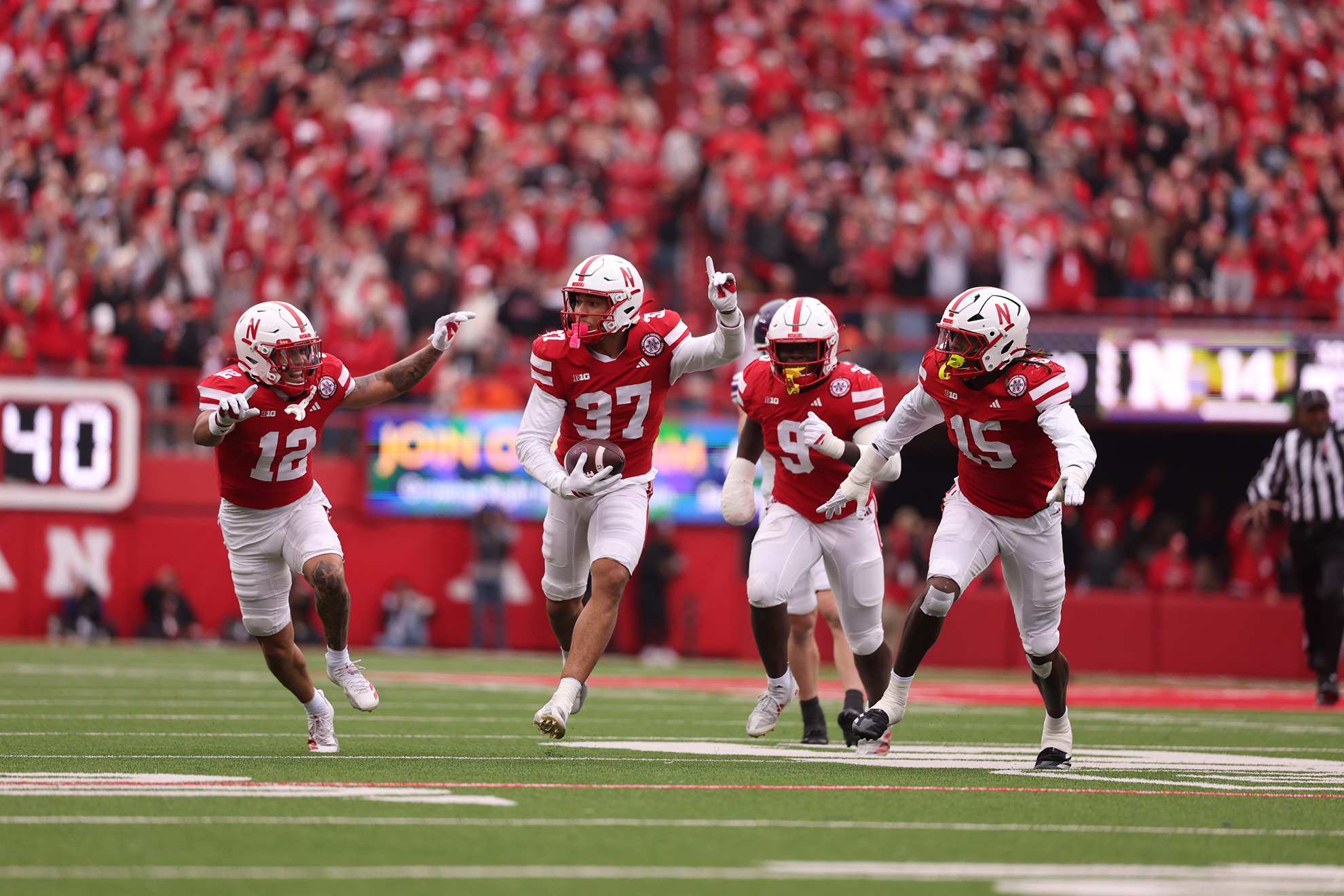
“This could change everything,” one analyst noted. “If players are willing to sit out games over NIL disputes, it fundamentally shifts the balance of power in college sports.”
Arbitration Could Be the Tipping Point
A key factor in the unfolding situation is the outcome of ongoing arbitration proceedings tied to the disputed NIL contracts.
If arbitration fails—and if the players’ deals are permanently rejected or invalidated—the likelihood of a strike increases dramatically.
For many of these athletes, the stakes are enormous. NIL agreements worth seven figures are not just endorsement deals; they represent financial security, career opportunities, and recognition of their market value.
Should those contracts be voided, a strike could become what insiders describe as a “last resort” to force meaningful change.
Pressure Mounts on Nebraska and State Officials

The situation is placing significant pressure on both the University of Nebraska and state leadership.
Players are reportedly calling for decisive legal action to protect their economic rights, including potential legislation or direct challenges to the CSC’s authority.
Failure to respond effectively could not only impact the current roster but also damage Nebraska’s reputation as a destination for top-tier athletic talent.
Recruits and their families are increasingly paying attention to how schools handle NIL issues, and any perception of instability or lack of support could have long-term consequences.
A Movement Bigger Than Nebraska?

While the current focus is on the Huskers, the implications extend far beyond one program.
Across the country, college athletes are navigating an evolving and often uncertain NIL landscape. Questions about contract enforcement, governing bodies, and legal protections remain largely unresolved.
If Nebraska’s players move forward with a strike—or even come close—it could inspire similar actions at other schools facing comparable disputes.
“This isn’t just a Nebraska story,” a college sports expert explained. “This is about the future of NIL and whether athletes truly have control over their own value.”
What Comes Next?

As tensions continue to rise, all eyes are now on the next steps from both the players and the institutions involved.
Will arbitration provide a resolution?
Will the university and state intervene with stronger legal backing?
Or will college sports witness one of its most defining moments—a player-led strike over economic rights?
For now, uncertainty dominates. But one thing is clear: the landscape of college athletics is shifting, and the voices of players are becoming impossible to ignore.
If the Huskers follow through on their threats, this could mark the beginning of a new era—one where student-athletes are no longer just participants in the system, but powerful stakeholders willing to fight for their place within it.
