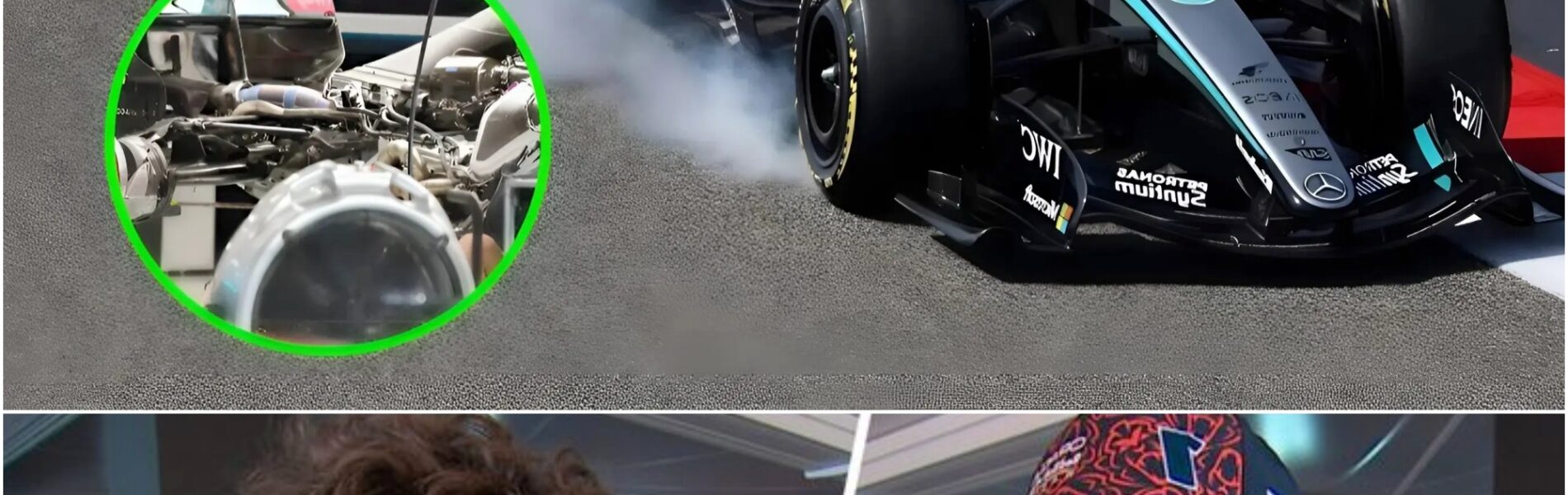

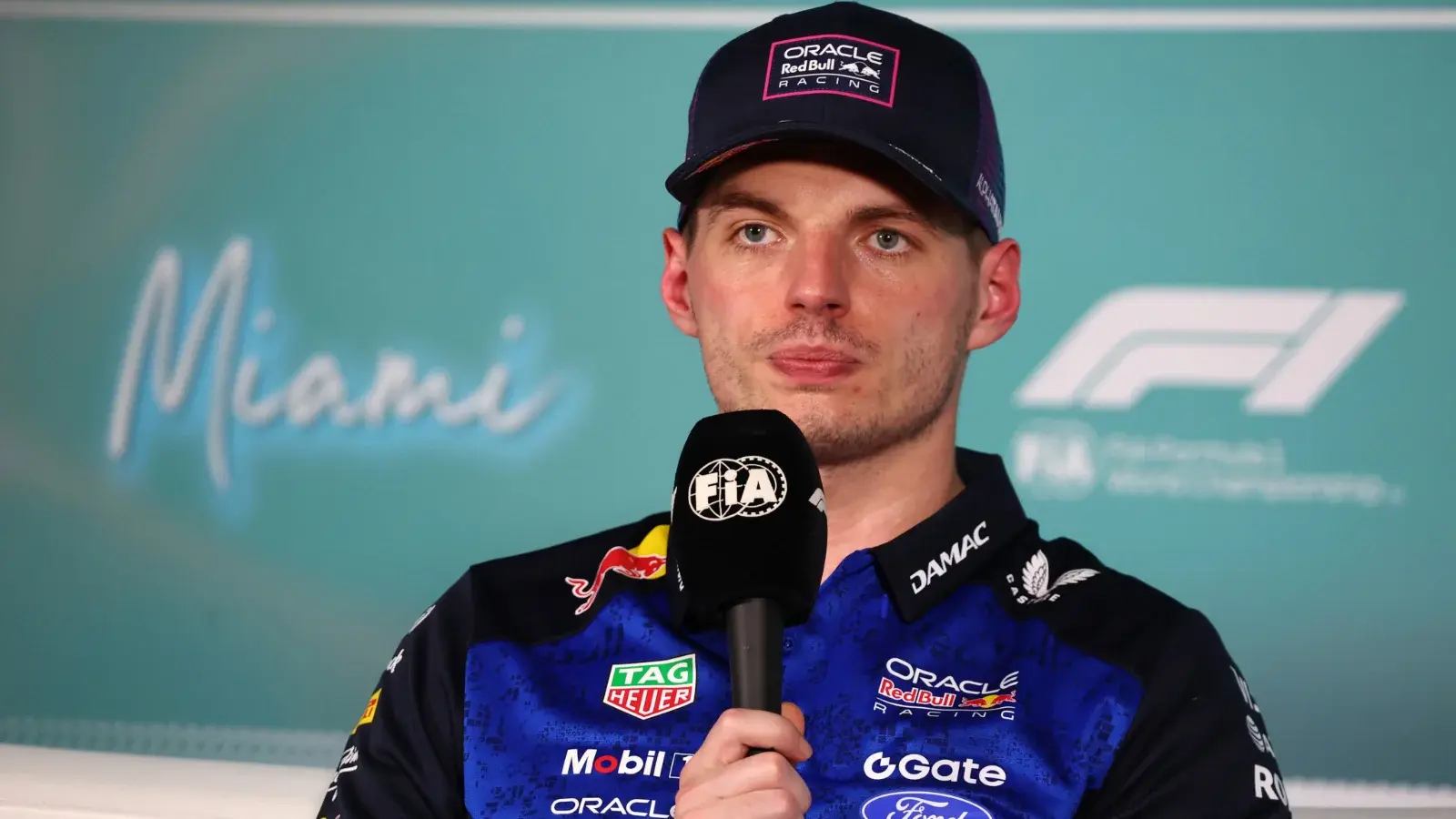
According to sources close to the matter, Verstappen’s request was not a spontaneous reaction but rather the result of what he described as “compelling visual evidence.” The reigning champion reportedly presented a video sequence that appeared to show Antonelli’s team interacting with a device before the race — a device which, according to Verstappen, could have significantly and potentially illegally influenced the car’s performance. Although no official confirmation has been made regarding the nature of this so-called “mysterious device,” its mere mention was enough to trigger an immediate, thorough examination.
Attention quickly shifted to Antonelli’s performance during the final stages of the Miami Grand Prix. Observers had already noted that his car demonstrated remarkable speed and agility, particularly in sectors where tire degradation and fuel load normally limit performance. Verstappen’s claims added a new layer of suspicion, suggesting that these unexpected gains might not have been entirely within the strict technical regulations of the sport.
Under growing pressure from the media and rival teams, the FIA moved swiftly. Officials launched an emergency inspection of Antonelli’s car just hours after the race concluded. The process, described by insiders as “intense and highly detailed,” involved a thorough examination of the vehicle’s mechanical systems, electronics, and any auxiliary equipment that could provide an unfair advantage.
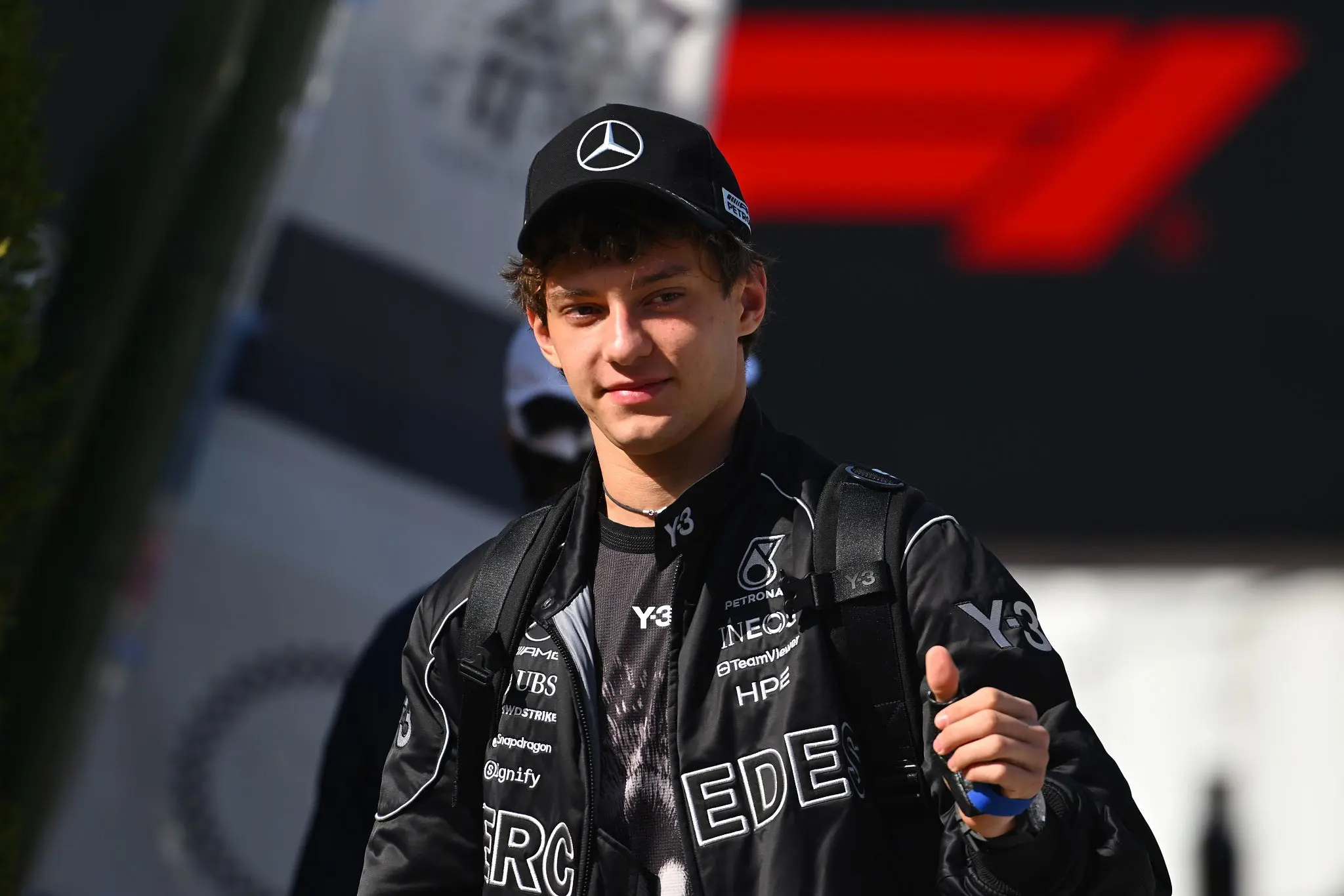
Antonelli, a rising star in Formula 1, found himself at the center of a storm unlike anything he had experienced before. Despite maintaining a calm public demeanor, the situation placed immense pressure on him and his team. Mercedes engineers reportedly cooperated fully throughout the inspection, opening all systems to scrutiny to demonstrate transparency and adherence to FIA regulations.
As hours passed, speculation reached a fever pitch. Social media platforms exploded with theories, debates, and shared opinions. Some fans supported Verstappen’s actions, arguing that vigilance is necessary to preserve the integrity of the sport. Others criticized the move as premature, warning that accusations without clear evidence could harm reputations and create unnecessary tension within the paddock.
When the FIA finally released the inspection results, the reaction was immediate and massive. Contrary to what many had expected, the findings confirmed no illegal device or regulatory violation. Antonelli’s car was declared fully compliant with all technical rules, clearing both him and his team of any wrongdoing. The announcement sent shockwaves through the Formula 1 community, not only due to the result itself but also because of the scale of the preceding controversy.
Perhaps the most surprising reaction came from Verstappen himself. Sources suggest that even he was taken aback by the results, having trusted the evidence he presented. While he has yet to make a detailed public statement following the FIA’s conclusions, his initial claims have already sparked ongoing discussions about the role of driver-led scrutiny in the sport.
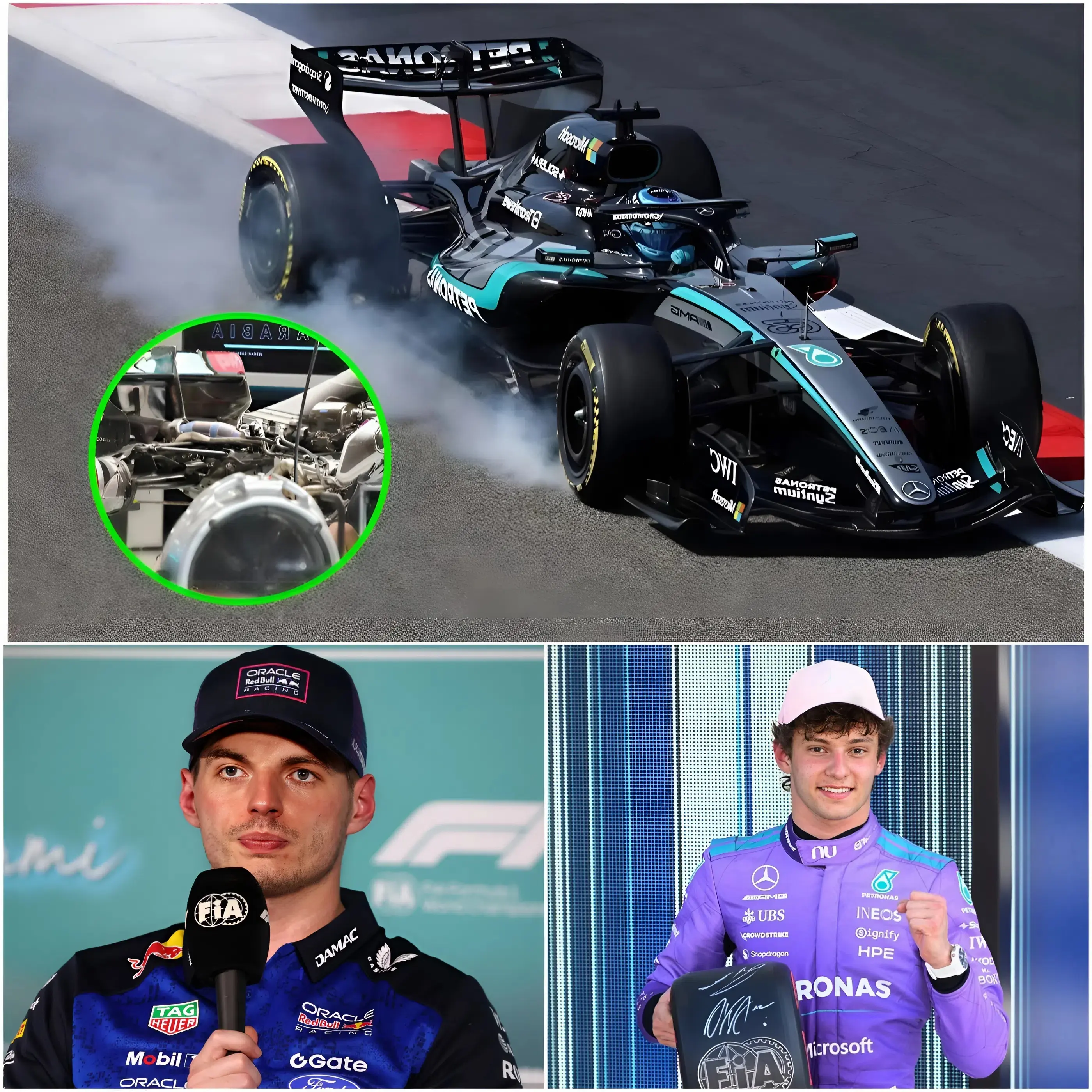
The incident raises important questions about trust, transparency, and competitive ethics in Formula 1. In a sport where milliseconds can determine victory or defeat, and where technological innovation constantly pushes limits, the line between ingenuity and illegality can sometimes appear blurred. Verstappen’s actions, whether ultimately justified or not, highlight the intense scrutiny teams and drivers face at the highest level of motorsport.
For Antonelli, the result represents both a relief and a defining moment in his young career. FIA approval not only restores confidence in his performances but also strengthens his credibility as a competitor. However, the experience also underscores the pressures of constant observation, where even the slightest anomaly can trigger widespread suspicion.
Meanwhile, the wider Formula 1 community continues to process the implications of this episode. Teams will likely become even more cautious, knowing that rivals closely monitor any potential advantage. The FIA, on the other hand, may face increased expectations to ensure swift and transparent responses in similar situations moving forward.
As the season progresses, this controversy is unlikely to fade quickly. It has added another layer of intrigue to an already competitive championship, fueling rivalries and intensifying the narrative surrounding Verstappen and Antonelli. Fans worldwide will closely follow the story’s evolution, not only in terms of on-track performance but also in the dynamics between drivers, teams, and the governing body.
