🌄🐺 ONE MAN. A NEW WORLD. AN UNFORGETTABLE JOURNEY. 🎬🔥 Dances with Wolves follows a soldier whose experience on the frontier changes the way he sees the world around him. A sweeping story of discovery, friendship, and survival.
BEYOND THE HORIZON: Why Kevin Costner’s Dances with Wolves Remains an Unmatched Western Epic
By Staff Writers
Published: September 25, 2026
LOS ANGELES — In the history of Hollywood, there are films, and then there are cultural watersheds. In 1990, the Western genre—long considered a relic of Hollywood’s golden past, largely dormant and commercially written off—was dramatically resurrected by a first-time feature director named Kevin Costner.

Armed with sweeping ambition, breathtaking vistas, and a deeply human narrative, Dances with Wolves swept across cinemas worldwide, capturing seven Academy Awards—including Best Picture and Best Director—and redefining how modern cinema portrays the American frontier.
Decades after its initial release, the film continues to resonate with audiences, inviting viewers back onto the windswept plains where history, empathy, and adventure intersect.
A Bold Vision: Reviving a Dormant Genre
By the late 1980s, the traditional Western was widely viewed as a dead medium. Studio executives believed modern audiences had no appetite for slow-burn frontier dramas, horse-riding epics, or nuanced historical storytelling.
Kevin Costner, riding a wave of massive stardom, saw things differently. Adapting Michael Blake’s novel, Costner took on the daunting dual role of director and star, pouring immense passion into a project that many industry insiders jokingly dubbed “Costner’s Last Stand” during its troubled, mud-soaked production.
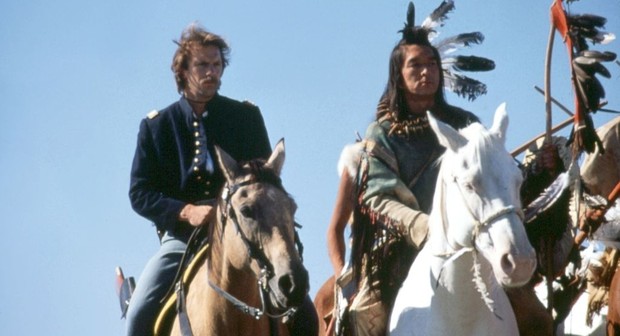
Instead of recycling the lazy, one-dimensional tropes of early Hollywood Westerns—which frequently depicted Native Americans as faceless antagonists—Costner’s vision was revolutionary for its time. He sought to paint a respectful, deeply immersive portrait of Lakota Sioux culture, utilizing authentic language (Lakota dialogue with English subtitles), historical consultants, and complex human characterizations that honored both sides of a changing frontier.
The Journey of Lieutenant John J. Dunbar
At the emotional core of the film is Lieutenant John J. Dunbar, played with quiet vulnerability and understated strength by Costner himself. Disillusioned by the horrific bloodshed and senseless violence of the American Civil War, Dunbar requests a reassignment to the furthest western outpost, seeking solitude and a glimpse of the untamed frontier before it vanishes forever.
Arriving at the abandoned, dilapidated Fort Sedgewick, Dunbar finds himself utterly isolated. Yet, rather than despair, he begins keeping a meticulous journal, observing the natural world, and slowly adapting to the rhythm of the plains.

The film’s pacing in these early acts is deliberate and meditative. Cinematographer Dean Semler captures the vast, golden grasslands of South Dakota with breathtaking majesty. The landscape isn’t just a pretty background; it is a living, breathing entity that reflects Dunbar’s internal state of healing and awakening.
Friendship, Culture, and the Iconic Connection
The true magic of Dances with Wolves unfolds when Dunbar’s solitary existence intersects with the local Lakota community. What begins as cautious, fear-driven curiosity gradually transforms into profound mutual respect, trust, and deep, unbreakable bonds of friendship.
-
Two Socks and Cisco: The human relationships are mirrored by Dunbar’s poignant bonds with the animal kingdom—his loyal horse, Cisco, and the curious wolf he names Two Socks. These sequences capture a rare cinematic harmony between man and nature.
-
Cultural Immersion: Through characters like Kicking Bird (Graham Greene) and Wind In His Hair (Winston Rekert), and his romance with Stands With A Fist (Mary McDonnell)—a white woman adopted by the tribe—Dunbar learns the language, customs, and heart of the Lakota people.
-
Transformation: The emotional climax of his transformation is sealed when the tribe gives him his true name: Tasunka Witko—Dances with Wolves. He crosses a cultural divide not as a conqueror, but as an adopted son of the land.
John Barry’s Immortal Musical Score
No discussion of Dances with Wolves is complete without praising the legendary musical score composed by John Barry.

Widely regarded as one of the greatest cinematic soundtracks ever recorded, Barry’s soaring orchestral themes capture the epic scale of the American frontier while maintaining an intimate, emotional tenderness. From the swelling brass of the main title theme to the haunting, delicate melodies accompanying Dunbar’s interactions with the wildlife, the music elevates every frame, turning standard cinematic moments into pure poetry.
Conclusion: A Timeless Legacy
Dances with Wolves remains a monumental achievement because it taps into a universal human desire: the yearning to belong, to understand cultures different from our own, and to find peace in a chaotic world.
It reminds us that the frontier was not just a theater of conflict, but a space where profound connections could be forged against all odds.
Join the Conversation!
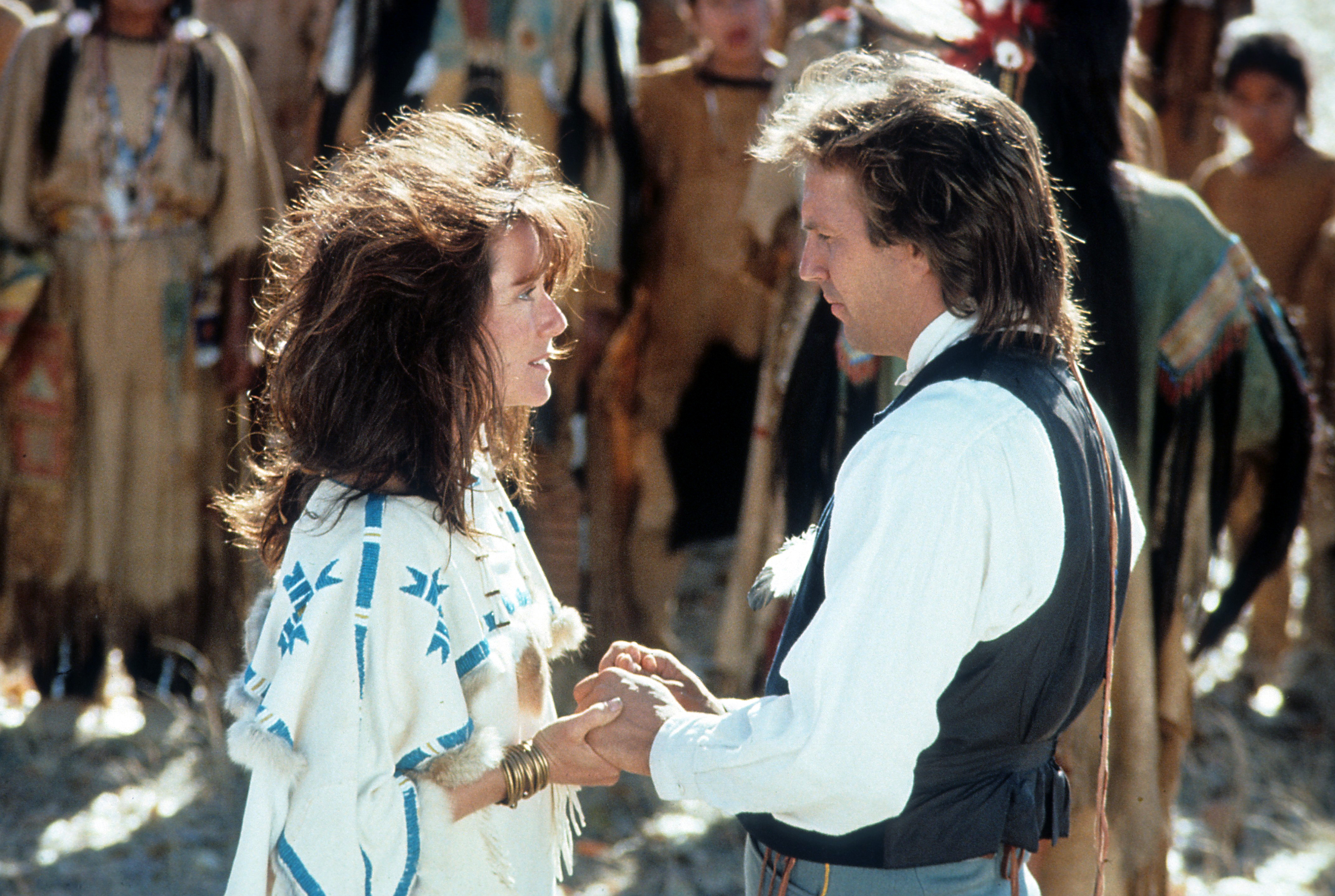
The sweeping plains, unforgettable friendships, and timeless themes of Dances with Wolves continue to capture the hearts of movie lovers across generations.
What about you? When you watch Lieutenant John J. Dunbar ride across the vast American frontier, what moment stands out the most? Watch the scene, let the iconic John Barry score wash over you, and share your thoughts in the comments below!
