🚨 BREAKING BOMBSHELL: OREGON DUCKS FACE EXPLOSIVE CONTROVERSY OVER HYPOTHETICAL LGBTQ+ FAN BAN AT AUTZEN STADIUM — DAN LANNING CAUGHT IN THE MIDDLE OF A DEBATE THAT COULD SHAKE COLLEGE FOOTBALL
EUGENE, OREGON — Imagine a college football controversy so enormous that it threatens to overshadow everything happening on the field.
In a fictional scenario that would immediately send shockwaves across the nation, the Oregon Ducks football program becomes the center of an extraordinary dispute following an imagined decision to prohibit LGBTQ+ supporters from entering Autzen Stadium.
The hypothetical restriction would prevent LGBTQ+ fans from attending Oregon home games, creating an unprecedented debate about discrimination, university policies, and the role of inclusion in college athletics.
For a program known for its passionate supporters, nationally recognized football tradition, and electric game-day atmosphere, such a proposal would represent one of the most controversial developments imaginable.
And the questions would begin almost immediately.
Who authorized the restriction?
How could university officials justify excluding supporters because of their sexual orientation or gender identity?
Would the NCAA or Big Ten Conference intervene?
And perhaps most importantly, what would head coach Dan Lanning say about a controversy threatening to divide the Oregon football community?
In this fictional account, those questions place Eugene at the center of a national conversation.
The Stadium Decision That Would Shock College Football
Autzen Stadium is more than a football venue.
For generations of Oregon supporters, it has represented school pride, unforgettable victories, and the emotional connection between the Ducks and their fans.
Every home game brings thousands of people together.
Students fill the stands.
Families travel from across the country.
Former players return to celebrate the program’s history.
And supporters from different backgrounds unite behind the familiar green and yellow.
That tradition makes the hypothetical exclusion of LGBTQ+ fans particularly significant.
In this imagined situation, university representatives introduce a restriction following a private meeting with athletic department officials and football administrators.
The proposed policy would prevent individuals identified as LGBTQ+ from attending games at Autzen Stadium.
The fictional announcement would immediately raise serious questions about how such a rule could be implemented, whether it would violate existing protections, and why any university would consider excluding a section of its own fan base.
Supporters would demand answers.
Legal experts would question the policy.
And college football observers would examine the potential consequences for Oregon’s national reputation.
What begins as a stadium-access controversy could quickly become a much larger dispute about the values represented by university athletics.
Dan Lanning Faces a Difficult Question
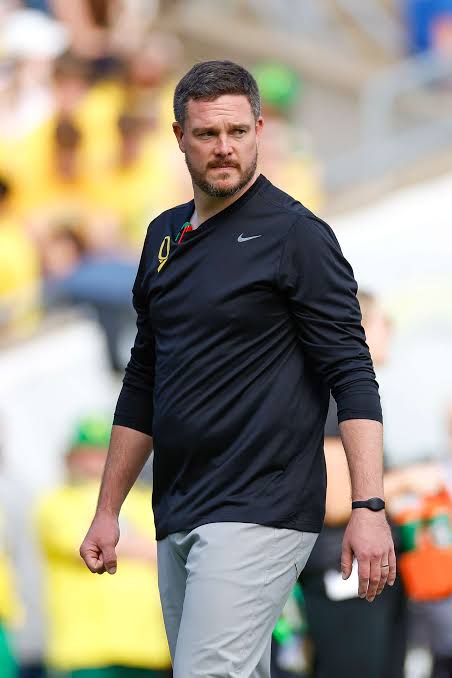
In this hypothetical controversy, attention would inevitably turn toward Oregon head coach Dan Lanning.
Lanning’s responsibility is to prepare his football team, develop players, and guide the Ducks through the challenges of a demanding college football season.
But head coaches at major programs also occupy highly visible leadership positions.
Their words can influence players, supporters, university communities, and national conversations.
A proposed ban on LGBTQ+ spectators would therefore create pressure for Lanning to address questions extending far beyond football strategy.
Would he support the principle that Oregon football should welcome all supporters?
Would he publicly oppose a restriction targeting fans because of their identities?
Or would he leave the matter entirely to university administrators?
These are hypothetical questions, not statements about Lanning’s actual beliefs or actions.
No verified statement from Lanning supporting such a ban is established here.
Nevertheless, the fictional situation illustrates the difficult position a prominent college football coach could face if a university policy became the subject of national criticism.
Silence might be interpreted in different ways.
A public response could intensify scrutiny.
And every word could become part of a wider debate.
Duck Nation Could Face an Unprecedented Divide
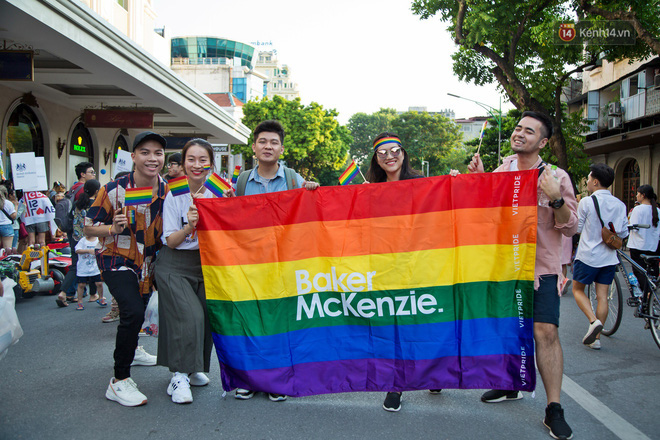
Few college football communities are as recognizable as Oregon’s.
The Ducks have built a national identity around innovation, passionate supporters, distinctive uniforms, and an atmosphere that visiting teams often find intimidating.
Autzen Stadium’s reputation depends heavily on the collective energy of its fans.
A policy excluding LGBTQ+ supporters would challenge the idea that everyone who loves Oregon football belongs within that community.
In this fictional scenario, some observers might attempt to frame the dispute as a question of institutional authority or stadium regulations.
Others would argue that excluding people because of their identities is fundamentally different from ordinary rules governing tickets, security, or spectator behavior.
The controversy would extend across social media.
Former students could question the university’s direction.
Current students might organize demonstrations.
Alumni and donors could demand clarification.
And supporters who normally agree about football might find themselves confronting an issue with implications far beyond the scoreboard.
For Oregon, the greatest challenge would be preserving trust between the university and the people who support it.
Because a football program’s relationship with its community cannot be measured only in victories.
It also depends on whether supporters believe they are respected and welcome.
The NCAA and Big Ten Could Face Pressure to Respond
A hypothetical stadium ban based on LGBTQ+ identity would also attract attention from college athletics organizations.
Oregon competes in the Big Ten Conference, placing the university within a network of institutions that maintain their own policies, standards, and expectations.
The NCAA also plays a central role in the governance of college athletics.
A discriminatory spectator policy could prompt questions about applicable university rules, civil rights protections, conference standards, and potential legal challenges.
However, the precise consequences would depend on the actual wording of a policy, the relevant laws, and the actions taken by governing institutions.
It would be inaccurate to assume that any particular penalty, suspension, or sanction would automatically follow.
In this fictional scenario, college athletics officials would face pressure to clarify whether such a restriction could be compatible with their existing principles and regulations.
Other universities might also be drawn into the discussion.
If one major football program attempted to exclude a group of supporters based on identity, the controversy could raise broader questions about stadium access throughout college sports.
That possibility would make the dispute much bigger than Oregon alone.
What Would Happen to Autzen Stadium’s Reputation?

Autzen Stadium is famous for its atmosphere.
The roar of the crowd, the intensity of rivalry games, and the emotional connection between supporters and players have helped establish the venue as one of college football’s most recognizable settings.
But a stadium’s reputation is built on more than noise.
It is also built on memories.
Parents bring their children to their first Oregon game.
Students celebrate unforgettable touchdowns.
Friends reunite in the stands.
And longtime supporters return year after year because they feel connected to the program.
A hypothetical policy excluding LGBTQ+ fans would threaten that sense of belonging.
For affected supporters, the issue would not simply involve losing access to a football game.
It would involve being told that their identity disqualified them from participating in a community they had supported.
That distinction could create lasting damage to the relationship between a university and its fans.
Even if such a fictional policy were quickly reversed, questions about why it had been considered could remain.
And those questions might follow the program long after the immediate controversy ended.
Players Could Become Part of the Conversation
College football players represent a wide range of backgrounds, experiences, and perspectives.
They also perform under intense public scrutiny.
In this imagined dispute, reporters could ask Oregon players whether they believe fans should be excluded from home games because of their LGBTQ+ identities.
Some athletes might choose to discuss the issue publicly.
Others might prefer to concentrate on football.
Both responses could generate attention.
The important distinction is that players should not be assigned invented opinions or statements.
No Oregon athlete is being quoted here as supporting or opposing the hypothetical ban.
Still, the situation demonstrates how a controversy involving university policy could reach the locker room.
Coaches would need to keep their players focused on preparation while recognizing that broader community issues can affect people connected to the team.
That balance would require thoughtful leadership.
The Financial and Institutional Stakes
Major college football programs depend on ticket sales, sponsorship relationships, alumni engagement, donations, and public goodwill.
A hypothetical discriminatory stadium policy could create uncertainty across those areas.
Some supporters might reconsider attending games.
Others could demand refunds or explanations.
Corporate partners might seek clarification about the university’s position.
Alumni organizations could call for an independent review.
None of those outcomes would be guaranteed, but each would represent a plausible concern for university administrators.
The financial consequences could become secondary to a larger institutional question.
What kind of community does Oregon want its football program to represent?
For a university with a nationally visible athletics brand, the answer could influence relationships far beyond the football field.
A Controversy Bigger Than the Game
The timing of such a fictional dispute would make it especially dramatic.
Oregon is preparing for a major Big Ten matchup against Nebraska at Autzen Stadium on October 17.
Under ordinary circumstances, attention would center on the Ducks’ quarterback situation, offensive adjustments, and their effort to rebound from a narrow defeat against UCLA.
A controversy involving stadium access could overshadow those football storylines.
Instead of discussing the matchup, national audiences might focus on the university’s treatment of supporters.
Instead of evaluating Dan Lanning’s game plan, reporters might ask about institutional responsibility.
And instead of celebrating the atmosphere at Autzen Stadium, the conversation could turn toward who is permitted to participate in it.
That would represent an extraordinary distraction for a program seeking to compete at the highest level.
Final Outlook: The Question That Would Define Oregon’s Response
The imagined controversy surrounding an LGBTQ+ fan ban at Autzen Stadium raises a fundamental question about the relationship between college athletics and the communities they represent.
Football brings people together through shared loyalty, competition, and tradition.
The Oregon Ducks have spent decades building a passionate national following.
Supporters wear green and yellow.
They celebrate victories.
They endure difficult defeats.
And they return because their connection to the program extends beyond individual seasons.
A hypothetical policy excluding LGBTQ+ fans would challenge that relationship in a profound way.
For university leaders, the central issue would be whether the institution could justify denying access based on personal identity.
For Dan Lanning, the challenge would involve responding appropriately to questions about a controversy outside his normal coaching responsibilities.
And for Duck Nation, the debate would test what it means to belong to the Oregon football community.
Would university officials reverse such a policy?
Would the Big Ten or NCAA intervene?
And how would Oregon supporters respond if a section of their fan base were told they could no longer enter Autzen Stadium?
In this fictional scenario, those questions would dominate the headlines.
But one distinction must remain clear.
There is no verified announcement that Oregon Ducks football has banned LGBTQ+ fans from Autzen Stadium, and no confirmed statement from Dan Lanning endorsing such a restriction.
The scenario is imagined.
The broader question it raises, however, is meaningful:
Should the love of a football team ever be limited by who a supporter is?
For a sport built around community, that question reaches far beyond the final score.