
BREAKING: 𝘋.𝘰.𝘯.𝘢.𝘭.𝘥 𝘛.𝘳.𝘶.𝘮.𝘱 attacks Harry Sisson — and gets a FIERY response he won’t forget

BREAKING NEWS: 𝘋. 𝘰. 𝘯. 𝘢. 𝘭. 𝘥 𝘛. 𝘳. 𝘶. 𝘮. 𝘱 vs.
Harry Sisson — A Fiery Exchange That Ignited a Nationwide Debate
In what is rapidly becoming one of the most talked-about political and cultural clashes of the year, a heated confrontation between 𝘋.𝘰. 𝘯. 𝘢. 𝘭. 𝘥 𝘛. 𝘳. 𝘶. 𝘮.
𝘱 and rising political commentator Harry Sisson has erupted into a viral moment, sparking fierce debate across social media, television panels, and public discourse nationwide.
It began with a sharp and controversial remark. During a recent appearance, 𝘋. 𝘰. 𝘯. 𝘢. 𝘭. 𝘥 𝘛. 𝘳.
𝘶. 𝘮.𝘱 publicly criticized Harry Sisson, labeling him an “insult to Jesus” and accusing him of promoting values that he described as “beyond woke.”
The statement quickly spread online, drawing immediate reactions from both supporters and critics.
But what followed was far from a typical back-and-forth.
Standing before a packed audience later that same evening, Harry Sisson responded — not with a brief statement or a social media post, but with a prolonged and emotionally charged speech that many are now calling one of the most intense rebuttals delivered in recent memory.
“The president of the United States just said that I insulted Jesus,” Sisson began, his voice steady but unmistakably firm.
“You want to know what insults Jesus?”
The room fell silent.
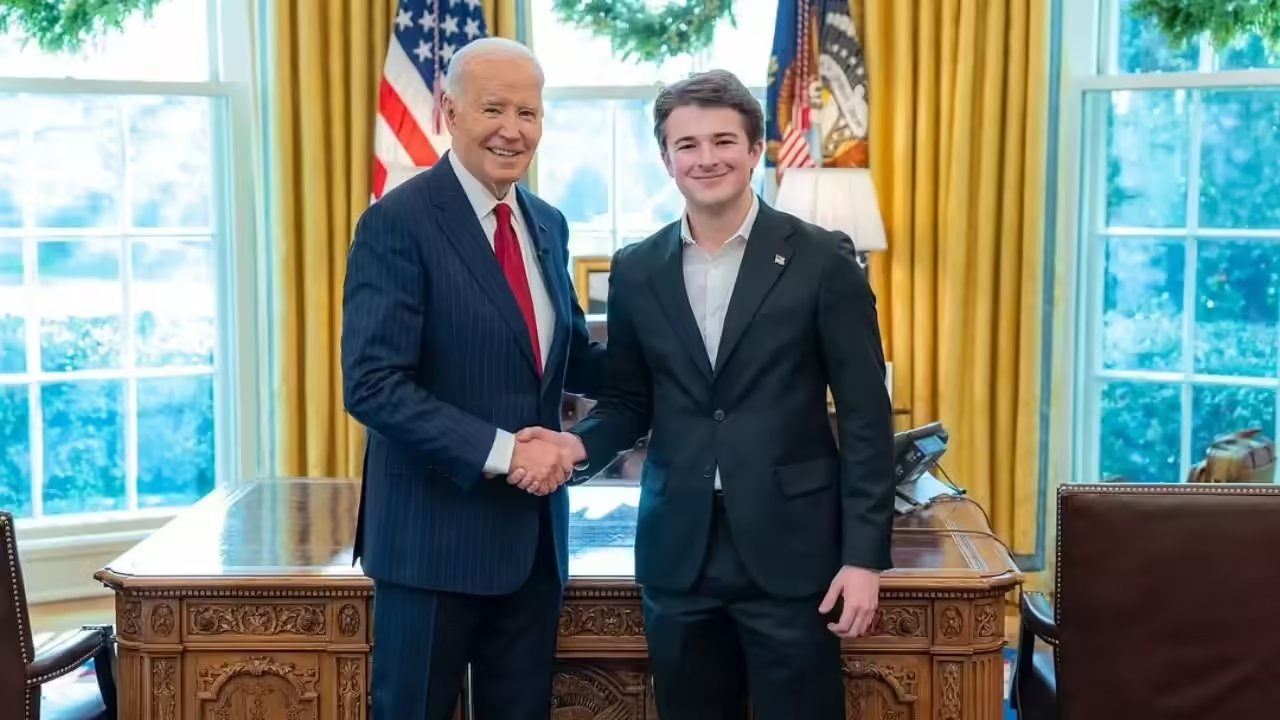
“What insults Jesus,” he continued, “is kicking the sick off their health care while cutting taxes for billionaires.”
The crowd reacted immediately — a mixture of applause, murmurs, and visible tension rippling through the venue.
But Sisson did not pause.
“And you know what else insults Jesus?” he pressed on. “Deporting the stranger. Separating babies from their mothers.”
At this point, the atmosphere had shifted entirely.
What began as a response was turning into a direct moral confrontation — one that challenged not just a statement, but an entire worldview.
Sources present at the event described the moment as “electric,” with attendees leaning forward, phones raised, capturing every second.
Then, according to witnesses, Sisson escalated even further — expanding his argument beyond domestic policy into global issues.
“You know what insults Jesus?” he said again, this time with sharper intensity. “Bombing innocent school children.
Sending young men and women into endless wars. Covering up corruption and refusing accountability.”
The speech was no longer just a rebuttal. It had become an indictment.
Shortly after clips of the speech surfaced online, reactions flooded in.
Supporters praised Sisson’s composure and conviction, calling his words “powerful,” “fearless,” and “necessary.”
Critics, however, accused him of politicizing religion and oversimplifying complex global issues.
Meanwhile, 𝘋. 𝘰. 𝘯. 𝘢. 𝘭. 𝘥 𝘛. 𝘳. 𝘶. 𝘮. 𝘱 did not remain silent.
In a follow-up statement that quickly circulated across multiple platforms, he pushed back against Sisson’s remarks, doubling down on his original criticism.
“He doesn’t understand faith,” 𝘋. 𝘰. 𝘯. 𝘢. 𝘭. 𝘥 𝘛. 𝘳. 𝘶. 𝘮. 𝘱 reportedly said.
“People like him think they can redefine it. They can’t.”
That response only intensified the situation.

Within hours, the narrative had evolved into a full-blown public exchange — one that commentators began framing as a symbolic clash between two sharply different interpretations of morality, leadership, and belief.
Political analysts were quick to weigh in.
“This isn’t just about two individuals,” one commentator noted during a televised panel.
“This is about competing visions of what values should guide society — and how religion is used in that conversation.”
Back at the original venue, Sisson’s speech had not yet reached its emotional peak.
“I am not a perfect Christian,” he admitted, his tone softening slightly.
“There’s only been one perfect Christian — and he was crucified 2,000 years ago.”
The line drew a different kind of reaction — quieter, more reflective.
Then came the moment that many viewers would later describe as the most powerful part of the entire exchange.
“Jesus told us to love our neighbors as ourselves,” Sisson said.
“So let me ask you something… Can we imagine war in heaven? Can we imagine hatred in heaven?
Can we imagine poverty in heaven?”
He paused.

“Then why do we accept those things here?”
According to multiple reports, the venue fell into near complete silence.
It was not the silence of disengagement — but the kind that follows a statement that demands reflection.
Clips of that moment spread rapidly, accumulating millions of views within hours. Hashtags related to both 𝘋. 𝘰. 𝘯. 𝘢.𝘭. 𝘥 𝘛. 𝘳. 𝘶. 𝘮.𝘱 and Harry Sisson began trending simultaneously, with users debating not only the exchange itself but the broader issues it raised.
Some praised the exchange as a necessary confrontation in a polarized era.
Others criticized it as yet another example of deepening division.
Media outlets across the spectrum picked up the story, each framing it through their own lens — some highlighting Sisson’s rhetoric, others focusing on 𝘋.𝘰. 𝘯. 𝘢. 𝘭. 𝘥 𝘛. 𝘳. 𝘶. 𝘮. 𝘱’s initial remarks and political positioning.
Regardless of perspective, one thing was clear: the moment had resonated.
What began as a single comment had evolved into a national conversation — one that blurred the lines between politics, religion, and public discourse.
And as the debate continues to unfold, both figures remain at the center of it.
One delivered the initial strike.
The other delivered the response.
But the impact of that exchange is now far bigger than either of them.
