
Historic Showdown in Congress: Jasmine Crockett Forces Rare Vote to Overrule Speaker Johnson


A Battle Over Procedural Consistency
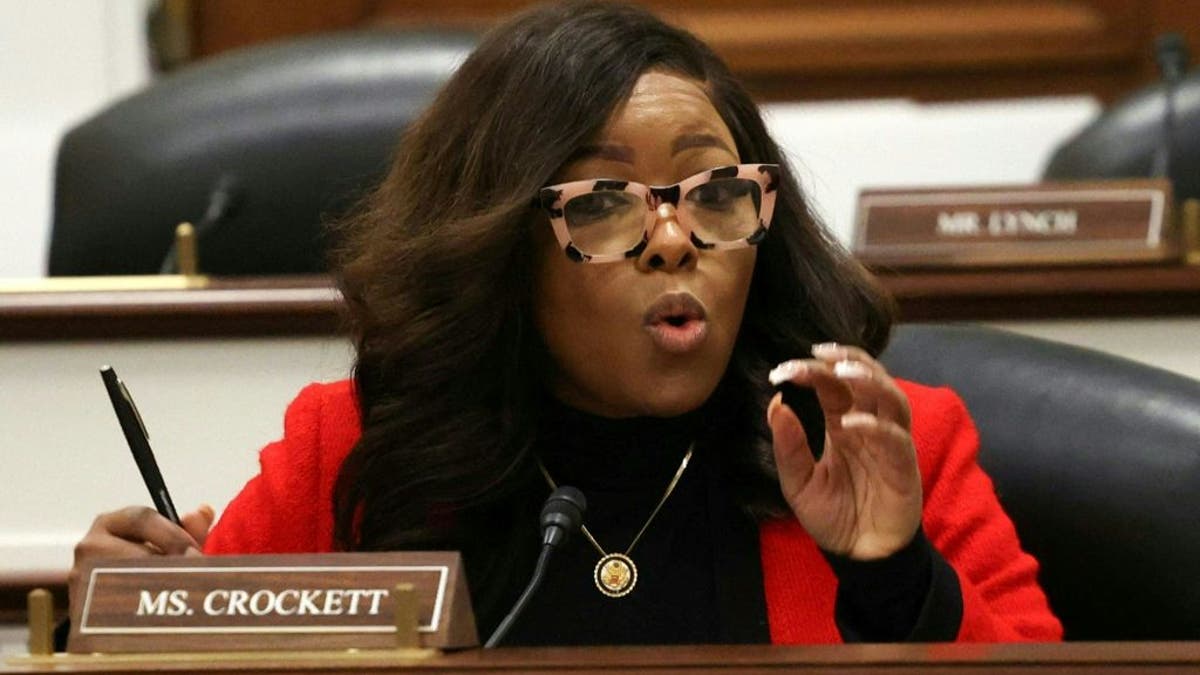
The conflict centered on Johnson’s repeated restrictions on debate for HR 452. Crockett had previously challenged his rulings during rules committee sessions, citing inconsistencies between Johnson’s actions as Speaker and precedents he himself had upheld when in the minority party.After being interrupted, Crockett presented evidence from the congressional record showing that a fellow representative had previously made identical historical references without objection. She then referenced House Rule 17 and Jefferson’s Manual, emphasizing that inconsistent rulings create legitimate points of order.
A Historic Appeal
Impact on the House and Legislative Process
The vote was more than a symbolic victory. Johnson acknowledged the House’s decision and committed to applying procedural rules consistently, regardless of party. The procedural correction transformed debate on voting rights legislation, allowing historical context previously restricted for Democrats to be presented freely. The broader implications extended beyond a single bill.The rules committee updated guidance emphasizing consistency in procedural rulings, and subsequent legislative debates reflected a new standard of fairness. Members from both parties invoked the so-called “Crockett precedent” when inconsistencies arose, signaling a lasting institutional impact.
A Lesson in Institutional Integrity

Observers noted that Crockett’s challenge was not merely partisan maneuvering but a defense of democratic principles. Dr. Barbara Ellison, a congressional historian, remarked, ““Democratic institutions depend not just on written rules, but on the consistent application of those rules. Representative Crockett’s actions reaffirmed a principle essential to governance itself.”Even Speaker Johnson, initially taken aback, adapted. Reports indicate he emphasized consistent procedural rulings in closed-door meetings with committee chairs, demonstrating institutional accountability rather than partisan retaliation.
A Broader Significance