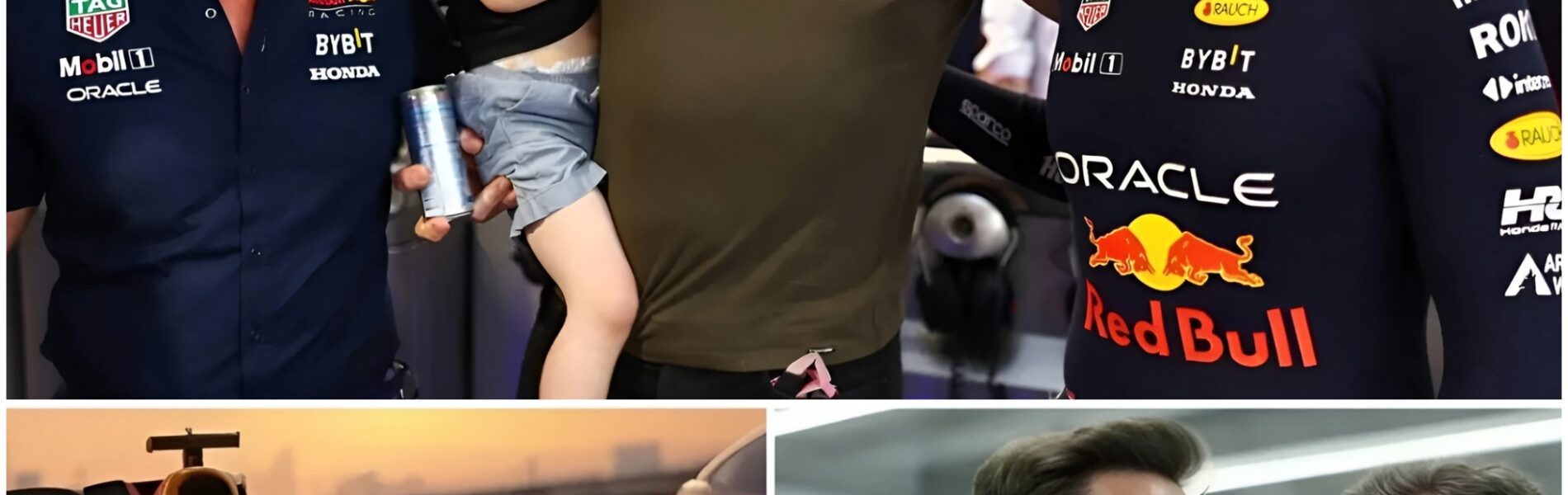
Billionaire Elon Musk emerges as a top contender in F1: A shocking collaboration with Red Bull to develop a high-tech supercar in a bold plan to dominate the fastest racing series on the planet

Elon Musk’s Vision for Formula 1
Disrupting the Status Quo

Why Red Bull Racing?
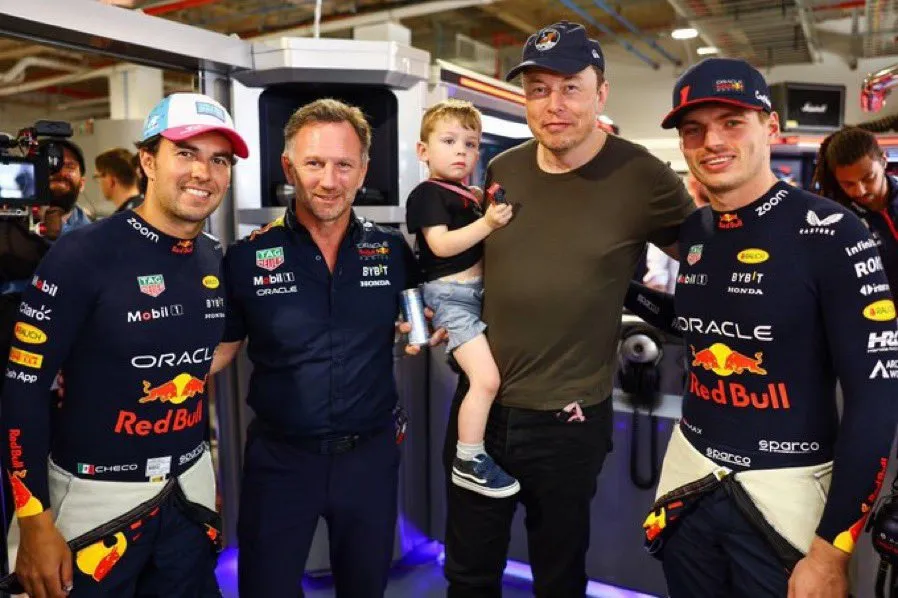
The High-Tech Supercar: A New Era of Innovation
AI-Driven Aerodynamics
One of Musk’s most ambitious plans is the integration of AI-driven aerodynamics. Traditional F1 teams rely on wind tunnels and computational fluid dynamics (CFD) to optimize car design. Musk envisions an AI system that can constantly adjust and optimize aerodynamic performance in real-time, giving Red Bull an unprecedented advantage on the track.
Advanced Battery Technology

Space-Grade Materials for Lightweight Performance
SpaceX has developed some of the most advanced lightweight, heat-resistant materials for space travel. Musk reportedly wants to bring these materials to F1, creating a chassis and bodywork that are stronger and lighter than ever before. Such advancements could reduce drag, improve fuel efficiency, and increase overall performance.
The Impact on Formula 1 and the Motorsport Industry
Changing the Competitive Landscape
If Musk’s collaboration with Red Bull Racing proves successful, it could reshape the F1 hierarchy. Traditional powerhouses like Mercedes, Ferrari, and McLaren would have to adapt quickly to remain competitive. The introduction of AI and space-age materials could usher in a new era of F1 development, forcing teams to rethink their engineering strategies.
The FIA’s Reaction
The Fédération Internationale de l’Automobile (FIA), F1’s governing body, has strict regulations to ensure fair competition. Musk’s technological advancements could face scrutiny, especially if they offer Red Bull a significant advantage. However, if successfully integrated within FIA rules, these innovations could redefine the technical standards of the sport.
The Financial Implications
Elon Musk’s Investment Strategy
Musk is no stranger to ambitious financial undertakings, and his involvement in F1 would require a massive investment. While Red Bull Racing is already well-funded, Musk’s financial backing could provide an unmatched budget for research and development.
Potential for Commercial Expansion
Musk’s brand power could attract new sponsors, bringing in tech companies, AI firms, and space-related enterprises that have never previously engaged with F1. The commercialization of high-tech supercars beyond the racetrack could also be a lucrative venture, blending Tesla’s innovations with Red Bull’s racing expertise.
The Future: Could Musk’s F1 Influence Extend Beyond Red Bull?
Tesla’s Entry into Motorsports?
While Tesla has focused on consumer electric vehicles, Musk’s growing interest in racing could pave the way for Tesla’s expansion into Formula E or even an independent entry into Formula 1 in the future. The development of an F1 supercar could be the first step in a broader motorsport strategy.
A Technological Revolution Across F1
If Musk’s innovations prove successful, other teams may be forced to adopt AI-driven aerodynamics, advanced materials, and next-gen hybrid technology to remain competitive. This could push F1 into an era of unprecedented technological advancement, making it more exciting and unpredictable than ever.
The Challenges Ahead
Regulatory Barriers
While Musk’s involvement promises innovation, it also raises concerns regarding regulatory approval. The FIA has stringent rules that could limit how much AI-driven optimization and advanced materials can be integrated into F1 cars.
Competitor Resistance
Other F1 teams, particularly Ferrari and Mercedes, may strongly resist Musk’s involvement due to his financial resources and ability to disrupt traditional competition. The sport thrives on fair play, and Musk’s financial muscle could be seen as an unfair advantage.
Balancing Sustainability and Speed
Musk is a champion of sustainable energy, yet F1 remains heavily reliant on internal combustion engines. How he balances his commitment to sustainability with the demand for speed and performance in F1 remains to be seen. Some speculate that Musk could advocate for a shift toward fully electric F1 cars in the long term.
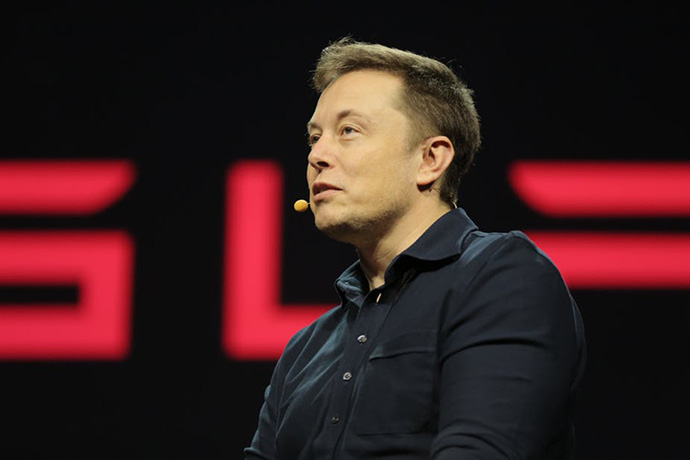
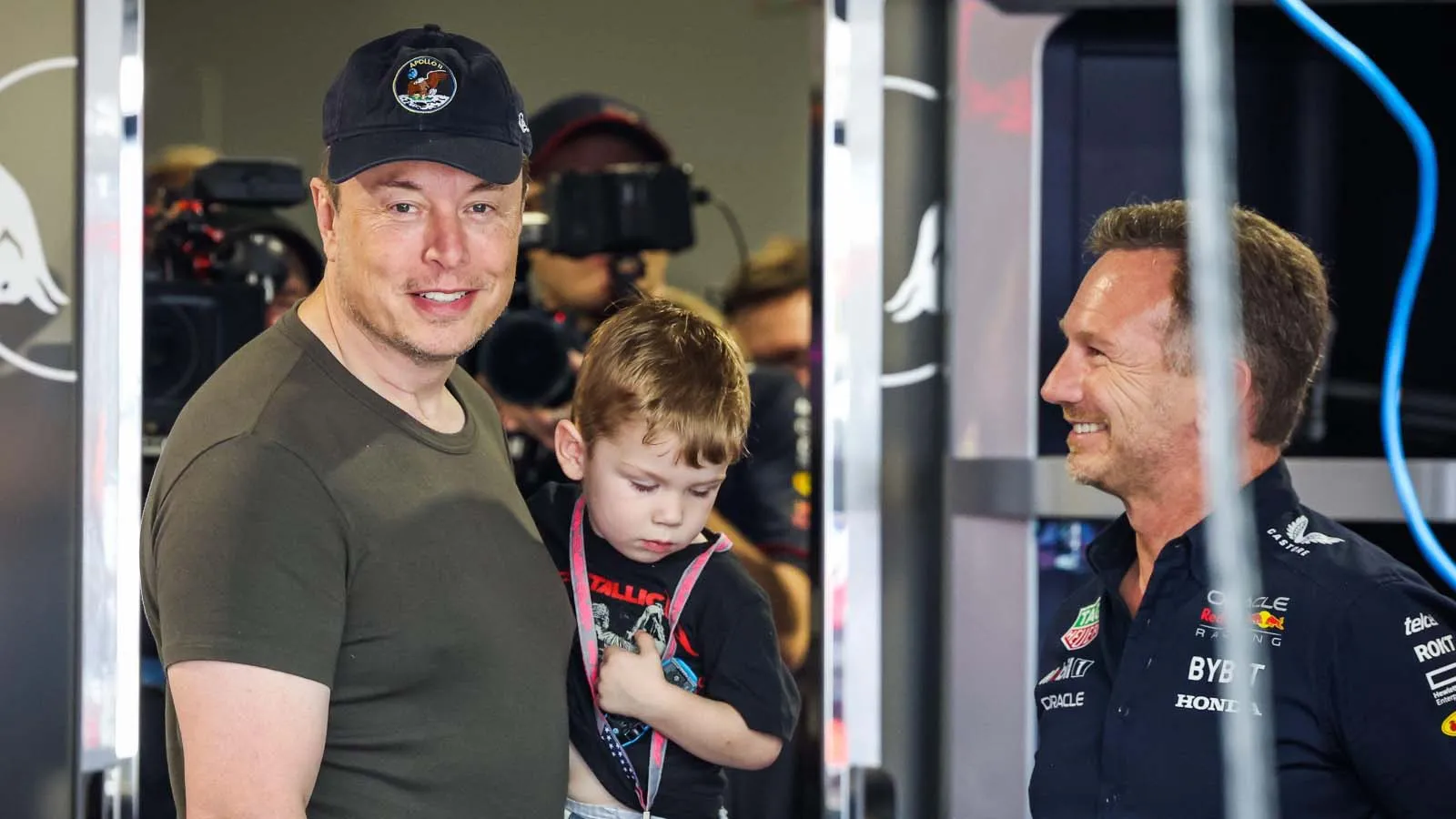
Could This Be the Biggest Shift in F1 History?
Musk’s Red Bull partnership has the potential to be the most significant transformation in the history of Formula 1. By introducing AI, aerospace-grade materials, and advanced battery technology, he could set a new standard for race car engineering. However, it remains uncertain whether his innovations will be welcomed or challenged by the FIA, rival teams, and traditionalists within the sport.
Conclusion
Elon Musk’s potential partnership with Red Bull Racing signals one of the most thrilling developments in modern Formula 1. By integrating AI, space-grade materials, and cutting-edge battery technology, this collaboration could redefine the sport’s future. While challenges remain—such as FIA regulations, competitor pushback, and integration feasibility—there’s no doubt that Musk’s entrance into F1 could mark the beginning of a revolutionary era.
Whether Musk’s high-tech supercar will dominate the grid or face regulatory hurdles, one thing is certain: Formula 1 will never be the same again.