BREAKING: 2 Texas Tech Students Found Dead, Massive D.r.u.g.-Related Investigation Underway As Mysterious Package Found & Fears Of More Deaths Spread
SHADOWS ON THE SOUTH PLAINS: Inside the Rumors, Realities, and Campus Safety Alarms
By Staff Writers
Published: September 23, 2026
LUBBOCK, Tex. — In the hyper-connected digital age, news travels across university campuses at lightning speed. Within minutes, fragments of local police scanner chatter, unverified social media whispers, and dramatic screenshots can converge into full-blown viral panic.
Over the past 48 hours, digital feeds across Texas Tech University and the broader Lubbock community have been flooded with sensationalized reports alleging a catastrophic drug-related crisis. Sensationalized headlines claiming multiple student fatalities, mysterious packages tainted with lethal substances, and an imminent wave of overdoses have sparked intense anxiety among parents and students alike.
Yet, when the digital noise is stripped away to examine the concrete facts, a starkly different picture emerges—one that highlights the dangerous chasm between online rumor-mongering and reality, while underscoring the very real public safety battles confronting modern college towns.
Anatomy of a Viral Panic: How Rumors Spread
The recent flurry of online speculation did not emerge in a complete vacuum. College campuses, due to their high density and tight-knit social networks, are uniquely vulnerable to rapid panic loops.
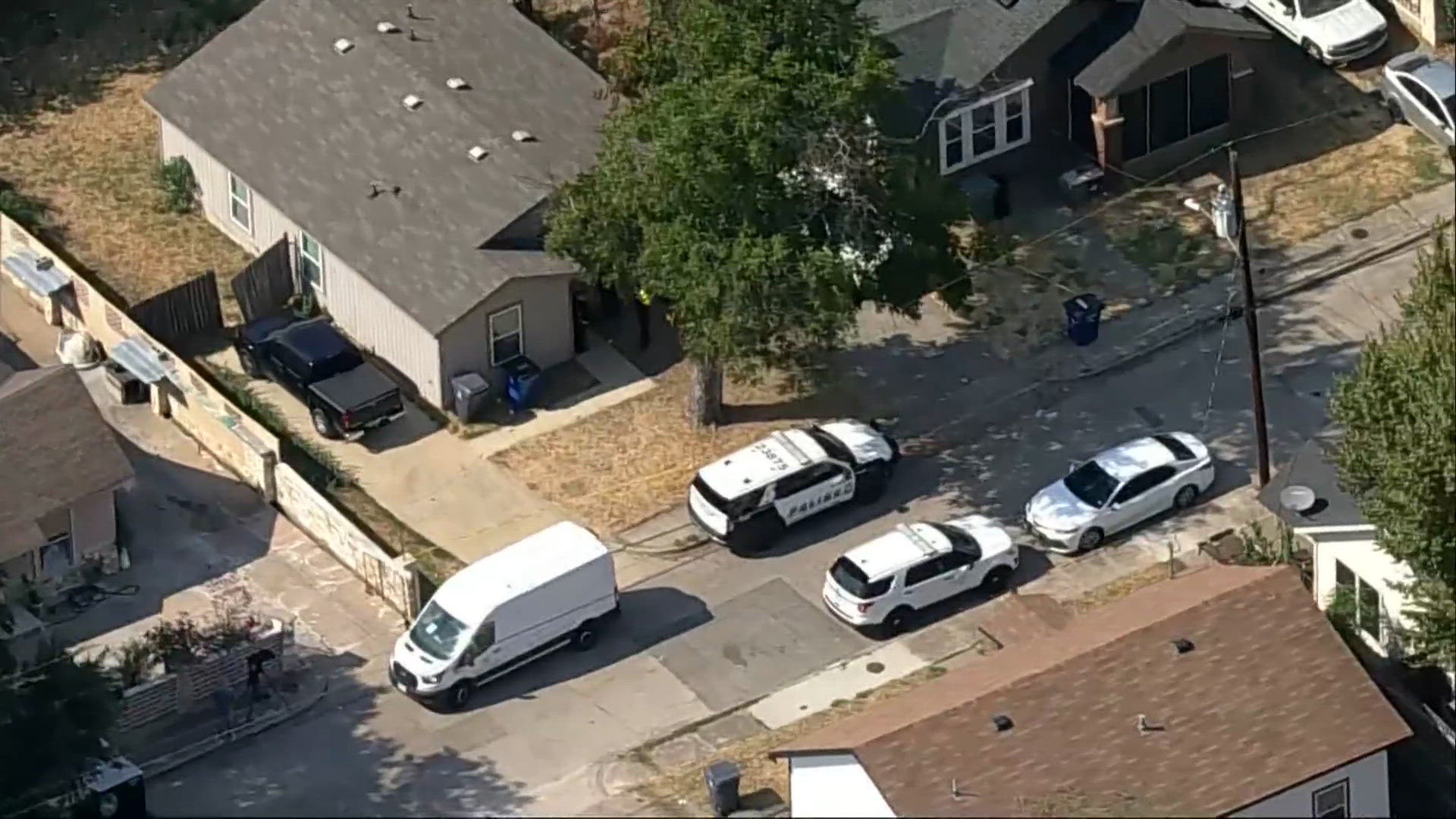
In this instance, rumors concerning mysterious packages and sudden student tragedies appeared to draw loose, distorted threads from past headlines—including previous regional federal drug enforcement actions and unrelated multi-state campus incidents circulating on TikTok and X (formerly Twitter).
Local law enforcement agencies, university communications offices, and campus safety officials have worked swiftly to push back against the digital panic. Authorities confirmed that there is no active mass-casualty event or mysterious package threat targeting Texas Tech residence halls or student housing complexes.
The Real Fight: Confronting Synthetic Narcotics in College Towns
While viral posts exaggerating immediate campus fatalities have been debunked, public health officials emphasize that underlying anxieties about illicit substances on and around college campuses are entirely valid.

The proliferation of synthetic opioids, counterfeit prescription pills, and dangerous adulterants remains one of the most pressing public health challenges facing American universities. Federal and local task forces have maintained heightened vigilance across West Texas following previous high-profile investigations into illicit drug networks operating within the region.
Law enforcement agencies have consistently warned students and young adults about the lethal risks of purchasing unverified substances or accepting modified products packaged to look like common consumer goods. Counterfeit medications laced with fentanyl or potent synthetic analogs present a hidden, catastrophic danger, turning experimental or recreational choices into life-or-death gambles.
University Response and Student Safety Initiatives
In response to fluctuating online rumors and genuine concerns regarding student well-being, Texas Tech University administration and student health services have ramped up educational outreach.
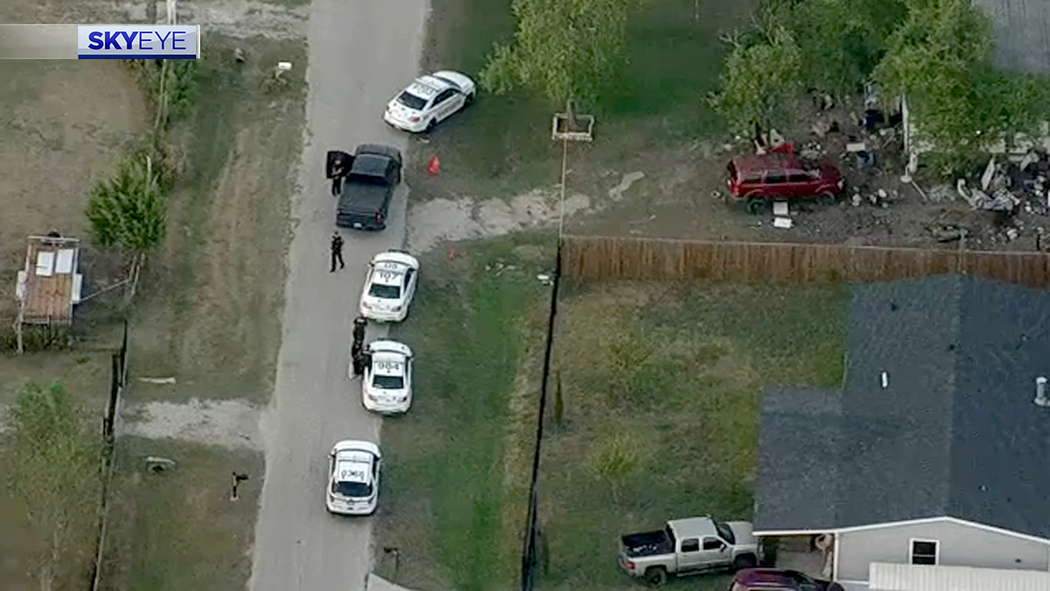
Campus safety protocols emphasize proactive measures, including:
-
Narcan Distribution Programs: Free Naloxone training and distribution stations are actively maintained across campus facilities to ensure rapid response capabilities in the event of an accidental opioid exposure or overdose emergency.
-
Open Channels of Communication: University leadership continues to utilize official communication channels to dispel dangerous rumors instantly, preventing panic while maintaining transparency with parents and students.
-
Mental Health and Wellness Support: Recognizing the psychological toll that constant digital sensationalism and academic pressure take on young adults, counseling centers have reinforced their availability for students needing support.
Conclusion: Fact Versus Fear in the Digital Age

The panic that rippled through digital spaces serves as a cautionary tale about the power and peril of modern information consumption. While internet algorithms reward shock value, sensationalized rumors do a profound disservice to the community, creating needless terror for families thousands of miles away.
At the same time, the underlying conversations about substance safety, vigilance, and looking out for one another remain critically important. As the 2026 academic term presses forward, the best defense against both synthetic dangers and online misinformation is rooted in facts, community awareness, and a commitment to keeping student safety front and center.
