🎥🌵 ONE SCENE. TWO LEGENDS. PURE WESTERN MAGIC. 🤠🔥 For a Few Dollars More remains one of the defining films of the classic Western era, and moments like this show exactly why the movie is still remembered decades later.
THE ART OF TENSION: When Clint Eastwood and Lee Van Cleef Crossed Paths in “For a Few Dollars More”
By Staff Writers
Published: September 25, 2026
ROME / LOS ANGELES — In the history of cinema, few creative partnerships have changed the landscape of a genre quite as dramatically as the collaboration between visionary Italian director Sergio Leone and a young American actor named Clint Eastwood. Following the unexpected, explosive global success of A Fistful of Dollars in 1964, Leone didn’t merely make a sequel; he expanded the universe, deepened the moral complexity, and elevated the aesthetic of the Spaghetti Western to an entirely new artistic tier.
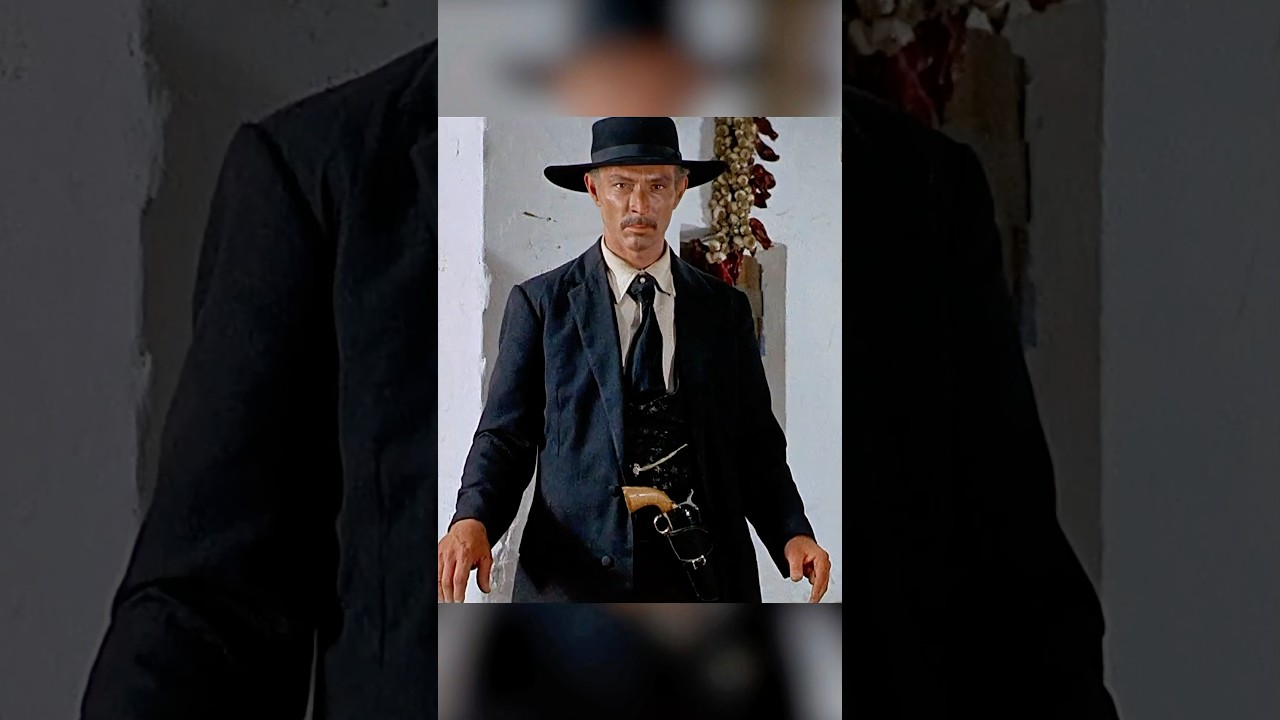
Released in 1965, For a Few Dollars More (Per qualche dollaro in più) remains a masterclass in atmosphere, character dynamics, and visual storytelling. At the heart of its enduring legacy is the electric on-screen collision between Eastwood’s taciturn “Man with No Name” (here called Manco) and Lee Van Cleef’s brilliant, steely-eyed Colonel Douglas Mortimer.
When these two frontier legends cross paths, it is a cinematic masterclass in mutual respect, unspoken rivalry, and unmatched cool.
Expanding the Mythos: The Bounty Hunter Dynamic
While A Fistful of Dollars was a lean, focused tale of warring families inspired by Akira Kurosawa’s Yojimbo, For a Few Dollars More broadens the canvas. It introduces a fascinating professional ecosystem: the world of ruthless bounty hunters tracking down the West’s most wanted outlaws for cold, hard cash.
Enter Colonel Douglas Mortimer, played with world-weary elegance, military precision, and lethal efficiency by Lee Van Cleef. Unlike Manco, who operates as a laconic drifter driven by opportunistic survival, Mortimer is motivated by a deeply personal, tragic vendetta against the psychotic outlaw El Indio (played with manic brilliance by Gian Maria Volonté).
When Manco and Mortimer first cross paths in the dusty town of El Paso, the tension is palpable. Instead of erupting into immediate gunplay—the predictable trope of lesser action films—Leone slows time down. He treats the encounter as a high-stakes game of psychological chess between two apex predators sizing each other up.
The Genius of Sergio Leone’s Visual Grammar

What separates a standard Western from a Leone masterpiece is how tension is communicated visually and aurally. The director understood that silence, pacing, and framing carry infinitely more dramatic weight than expositional dialogue.
-
The Extreme Close-Up: Leone’s camera fixates obsessively on the human face—narrowed eyes, beads of sweat glistening under the desert sun, a twitching finger hovering inches above a holster. These tight shots create an intense psychological intimacy, making the viewer feel trapped inside the suffocating pressure of the moment.
-
Ennio Morricone’s Revolutionary Score: Music in a Leone film is never mere background noise; it is an active narrative participant. The haunting strains of a pocket watch melody, the twang of a jew’s harp, and soaring orchestral crescendos dictate the emotional pulse of every standoff. The iconic musical duel between Manco and Mortimer during their initial meeting—where they playfully test each other’s reflexes by shooting down each other’s items—highlights the playful yet deadly respect they share.
-
Architecture and Space: The towns in Leone’s films feel weathered, dusty, and lived-in. Every wooden boardwalk, hitching post, and sun-bleached saloon contributes to an authentic, gritty atmosphere that pulls the audience straight into the 19th-century frontier.
Why the Partnership Endures

The dynamic between Eastwood and Van Cleef works so brilliantly because they represent two opposing archetypes of cool. Eastwood is youthful, unpredictable, calculating, and economical with his movements. Van Cleef is older, aristocratic in his posture, smoking a pipe with deadly precision, and carrying the heavy emotional baggage of a man with nothing left to lose.
Their reluctant alliance to infiltrate El Indio’s ruthless gang provides the narrative backbone of the film, culminating in a complex plot of double-crosses, flashbacks, and one of the greatest final duels in cinema history.
Decades after its premiere, clips and scenes from For a Few Dollars More continue to go viral across social media because they capture a purity of style that modern cinema rarely replicates. It proves that great filmmaking doesn’t rely on digital spectacles, but on compelling characters, immaculate framing, and uncompromising atmosphere.
Join the Conversation!
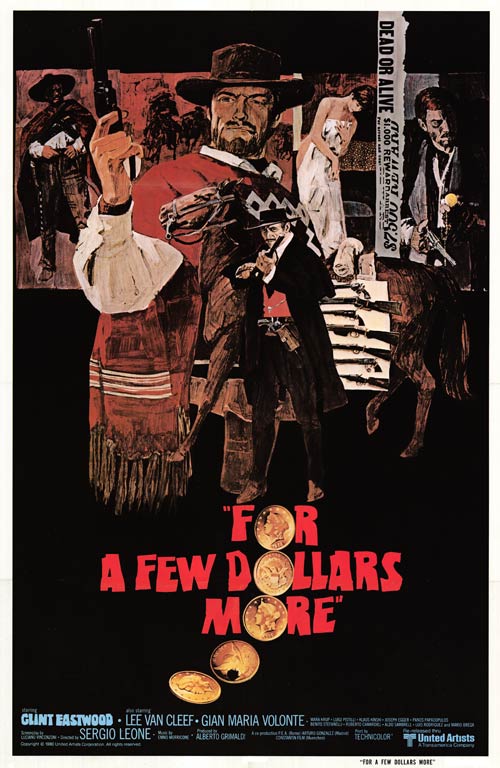
The Spaghetti Western era gave us some of the most iconic moments in film history, and the sparring matches between Clint Eastwood and Lee Van Cleef sit proudly at the very top of that list.
What about you? When Manco and Colonel Mortimer cross paths, who is your favorite? Do you lean toward Eastwood’s smooth, enigmatic drifter, or Van Cleef’s sharpshooting, pipe-smoking veteran? Watch the scene, soak in the timeless Ennio Morricone melodies, and let us know your thoughts in the comments below!
