UK Announces £88 Million Humanitarian Package for Gaza and the West Bank
The United Kingdom has announced a new £88 million humanitarian and early-recovery package for Gaza and the West Bank, with the Government saying the funding will help address some of the most urgent needs facing civilians affected by the conflict.
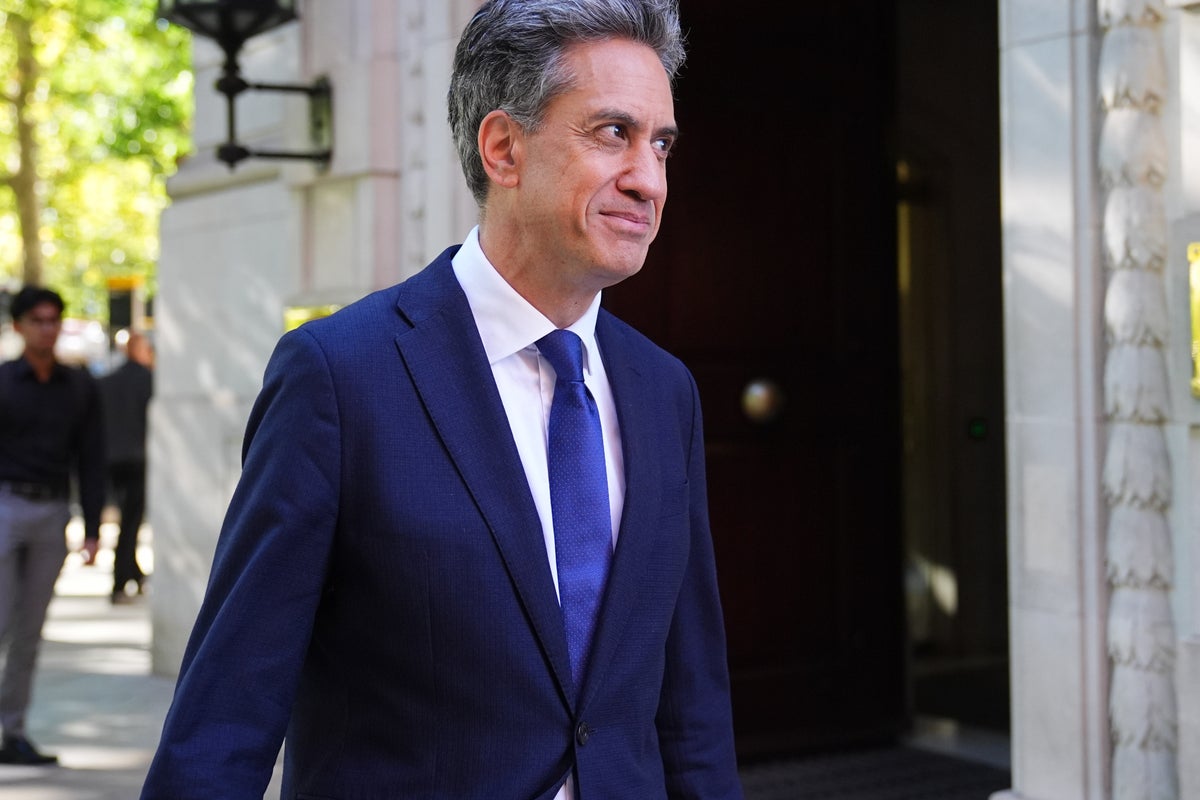
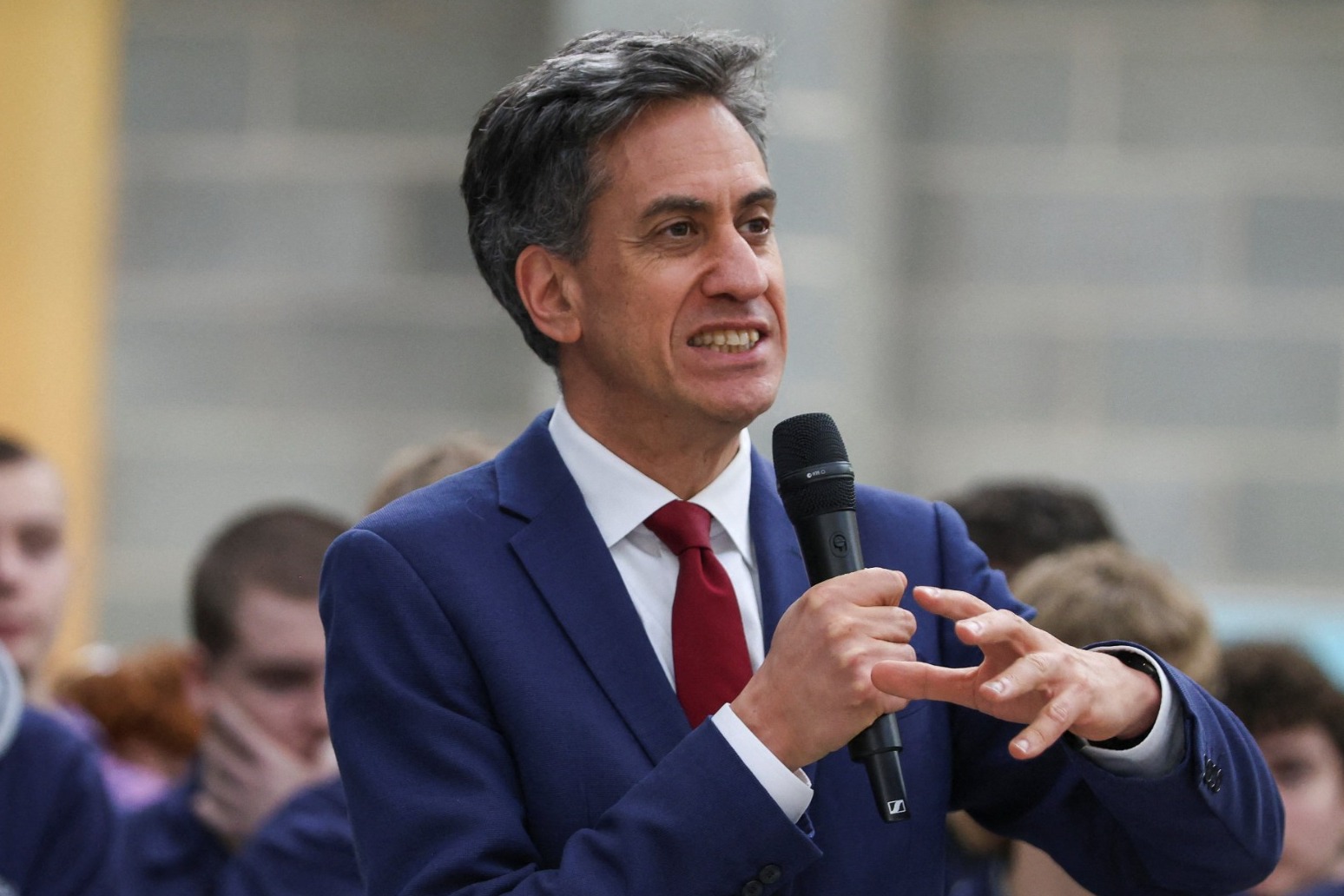
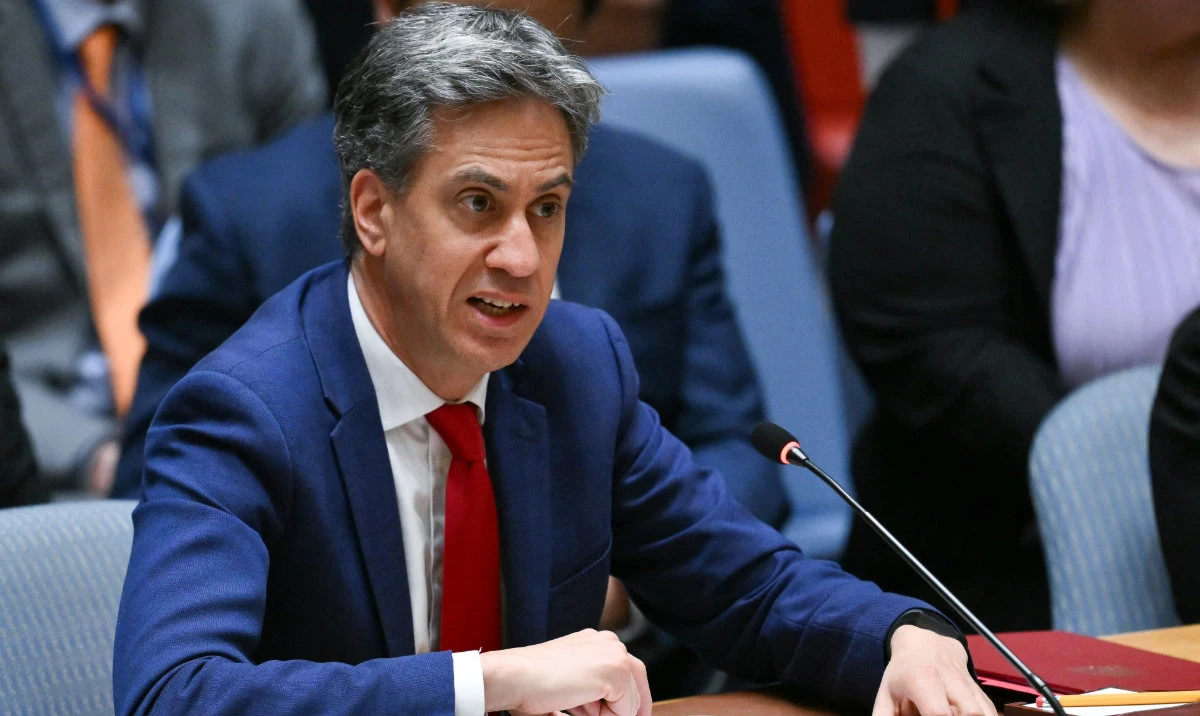
The package was announced by Foreign Secretary Ed Miliband while attending the United Nations General Assembly in New York. According to the Government’s announcement, the funding is intended to support essential services including healthcare, clean water, sanitation, waste management and protection programmes.
The announcement comes amid continuing international concern over the humanitarian situation in Gaza, where the destruction of infrastructure and disruption to basic services have placed significant pressure on civilians and humanitarian organisations.
Healthcare and essential services

A major part of the new funding is expected to support basic healthcare and humanitarian services.
Years of conflict and repeated military operations have placed considerable strain on Gaza’s healthcare infrastructure. Hospitals and medical facilities have faced challenges involving damaged buildings, shortages of supplies, disrupted electricity and water systems, and the need to treat large numbers of injured people.
The UK Government says the new funding will help provide access to healthcare and other essential services for vulnerable communities.
Clean water and sanitation are also central to the package. Damage to water infrastructure and sanitation systems can create serious public-health risks, particularly in densely populated areas where large numbers of displaced people may have limited access to safe facilities.
Funding for waste management is therefore intended to contribute to maintaining basic public-health conditions and preventing further deterioration of local infrastructure.
Support for injured children
One of the more significant elements highlighted by the Government is support for children suffering from blast injuries.
Children affected by conflict can require extensive medical treatment and rehabilitation, particularly when injuries result in permanent physical disabilities.
The British package will include assistance aimed at rehabilitation, alongside other forms of medical and humanitarian support.
Mental-health assistance is another component of the programme. The psychological impact of war can be particularly severe for children who have experienced displacement, injury, bereavement or the destruction of their homes and communities.
Humanitarian organisations have repeatedly highlighted the importance of mental-health and psychosocial support in conflict-affected populations. Such programmes can include counselling, psychological first aid and specialist services for children and families.
Why the announcement matters

The £88 million commitment represents another element of Britain’s humanitarian response to the conflict.
The UK Government has previously provided humanitarian assistance to Palestinians, working through international organisations and aid agencies. The latest announcement places particular emphasis on both immediate relief and early recovery.
The distinction is important.
Humanitarian assistance is generally designed to address immediate needs such as food, water, shelter and medical care. Early-recovery programmes, by contrast, can focus on restoring basic services and helping communities begin rebuilding essential infrastructure and systems.
In Gaza and the West Bank, those objectives face major practical challenges because of the continuing instability and the extensive damage reported across affected areas.
The wider diplomatic context
Miliband’s announcement at the United Nations General Assembly also places the funding within a broader diplomatic context.
The UK has been involved in international discussions concerning the conflict, humanitarian access, civilian protection and prospects for a longer-term political settlement.
The United Nations remains a central forum for those discussions, with governments and international organisations continuing to debate how humanitarian assistance can reach civilians while addressing the wider political and security issues surrounding the conflict.
For Britain, humanitarian funding is also part of its broader foreign-policy approach to the Middle East.
The Government has stressed the importance of supporting civilians while pursuing diplomatic efforts aimed at reducing the conflict and creating conditions for longer-term stability.
Challenges facing humanitarian assistance
Providing money for humanitarian relief does not automatically guarantee that assistance will reach everyone who needs it.
Humanitarian organisations operating in conflict zones face numerous logistical and security challenges. Access routes can be disrupted, infrastructure can be damaged and aid workers can face significant risks.
The effectiveness of the new British funding will therefore depend not only on the amount committed, but also on the ability of international agencies and humanitarian partners to operate safely and deliver assistance.
Water systems, healthcare facilities, sanitation networks and waste-management infrastructure can require more than emergency supplies. In many cases, they need repairs, equipment, trained personnel and reliable access to electricity and other resources.
This is one reason the Government has described the package as supporting both humanitarian relief and early recovery.
Impact on families

For ordinary families, the issues addressed by the package are highly practical.
Access to clean water can affect everything from drinking and cooking to hygiene. Functional sanitation systems are important for preventing disease. Healthcare services are essential for treating injuries and illnesses, while rehabilitation can determine how successfully people with serious injuries regain mobility and independence.
For children, the needs can be even broader.
A child recovering from a severe injury may require surgery, physiotherapy, specialist equipment and long-term psychological support. Where schools and community facilities have also been disrupted, children can face additional challenges in returning to normal routines.
Mental-health services can therefore play an important role alongside physical rehabilitation.
The West Bank dimension
Although Gaza has received much of the international attention because of the scale of the humanitarian crisis there, the new British package also includes the West Bank.
The humanitarian situation in the West Bank has its own set of challenges, including economic pressures, restrictions affecting movement and access, and concerns about protection for vulnerable communities.
By including both Gaza and the West Bank, the UK Government is framing the package as support for Palestinians across the two territories rather than assistance directed exclusively at Gaza.
What happens next?
The central question will be how the £88 million is distributed and what results it produces on the ground.
The Government has identified healthcare, water, sanitation, waste management, protection services, rehabilitation and mental-health support as priorities. The delivery mechanism will determine how quickly those services can reach affected communities.
International humanitarian organisations will also continue to assess changing needs as conditions develop.
The announcement demonstrates the continuing role Britain intends to play in humanitarian assistance to Palestinians. At the same time, the scale of the needs means that a single funding package cannot resolve the broader humanitarian crisis.
The £88 million commitment is therefore best understood as one contribution to a much larger international effort.
For civilians in Gaza and the West Bank, however, the importance of such assistance is measured not simply in pounds but in whether it translates into medical treatment, safe water, functioning sanitation, rehabilitation and psychological support.
As international diplomatic efforts continue at the United Nations and elsewhere, the UK’s latest announcement places humanitarian relief firmly at the centre of its stated response.
Note: This article is based on the details supplied in your prompt. I do not have live web-search access in this chat to independently verify the latest Government announcement, exact funding breakdown, or current implementation arrangements.
