A fierce exchange on live television has highlighted growing political friction over the Labour government’s claims that foreign disinformation is driving domestic political unrest.
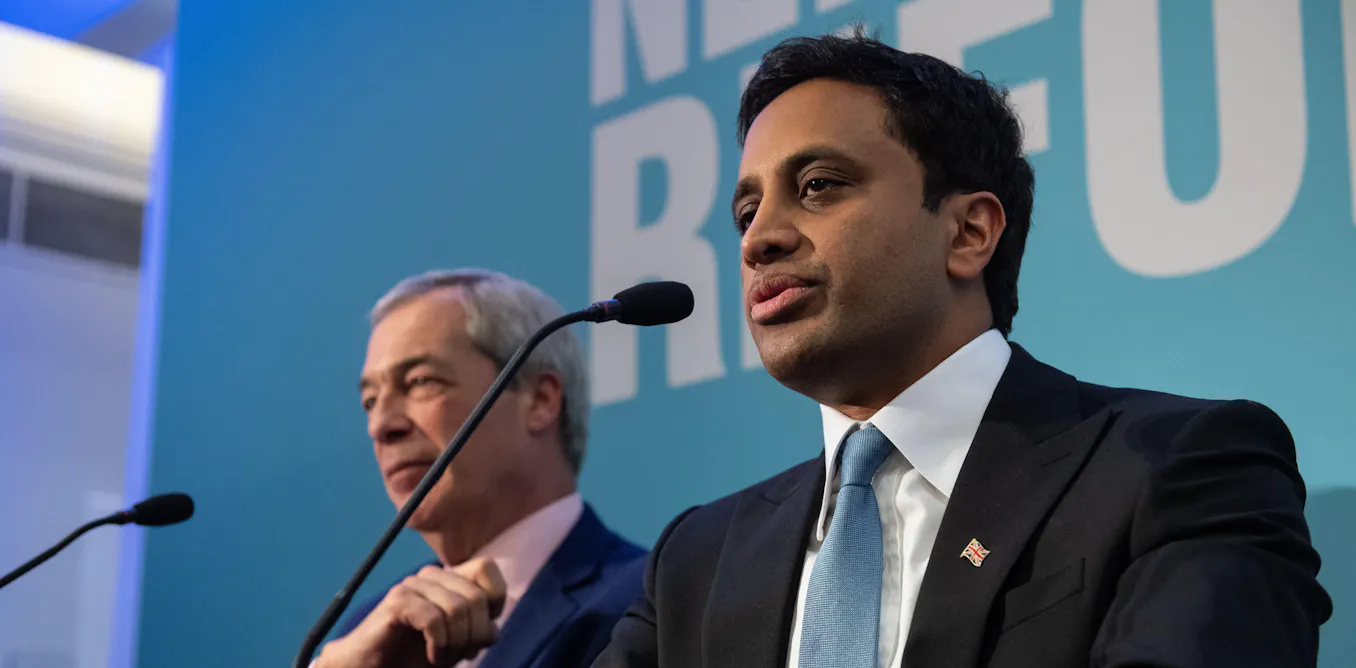
During a recent broadcast debate, Reform UK Chairman Zia Yusuf repeatedly challenged a Labour representative to provide a single specific example of Russian disinformation that is currently swaying British public opinion, resulting in a tense standoff.
The clash comes on the heels of Prime Minister Andy Burnham’s recent address at the United Nations, where he announced the creation of a “National Center for Information Defense.” Burnham and his administration have frequently pointed to hostile state actors, particularly Russia, as key drivers behind the spread of online disinformation and the subsequent rise of right-wing political sentiment in the UK.

During the televised debate, Yusuf pressed the Labour guest on this exact premise. “What piece of information that is driving discontent amongst British people… was seeded in their minds by Vladimir Putin?” Yusuf asked.
He challenged the representative to name one specific falsehood believed by angry British voters that directly resulted from Russian interference.
The Labour guest repeatedly sidestepped the demand for a specific example, arguing that “every single day there is fake news” and citing a recent speech by an Australian security official regarding the sheer volume of global disinformation.
When Yusuf pressed a third time for a concrete example, the Labour representative refused, stating, “I’m not going to give you an answer to that question because it’s a ridiculous question.”
Yusuf immediately seized on the refusal, characterizing the government’s focus on Russian disinformation as a “complete smokescreen for the fact that the country has been catastrophically mismanaged.”
The viral exchange underscores a deepening divide over how the UK government handles public discontent.
Critics and right-wing commentators argue that the British public’s anger is fueled by tangible domestic issues—such as illegal immigration, high energy bills, and heavy taxation—rather than foreign bots.
Opponents have accused the Labour government of using the specter of Russian interference to evade accountability for its policy failures and the soaring popularity of right-wing parties like Reform UK.
Furthermore, critics have voiced severe concerns regarding the government’s broader media strategy.
Accusations are circulating that the proposed efforts to combat “misinformation,” coupled with alleged plans to mandate BBC funding through broadband bills and prioritize state-backed media on social algorithms, are coordinated attempts to silence independent media and control the national narrative.
While the Labour government maintains that robust defense mechanisms are necessary to protect democratic institutions from foreign manipulation, the recent televised clash highlights a significant hurdle: convincing a skeptical public that foreign disinformation, rather than domestic policy, is the true root of Britain’s current political turbulence.
