TURN BACK — THE MOMENT JOSEY WALES REFUSES TO RUN FROM HIS PAST
TURN BACK — THE MOMENT JOSEY WALES REFUSES TO RUN FROM HIS PAST
Few Western films understand the weight of loss, revenge, and survival quite like The Outlaw Josey Wales. Released in 1976 and directed by Clint Eastwood, the film follows a man who has been pushed beyond the limits of what any human being should have to endure. Josey Wales is not simply an outlaw riding across the frontier. He is a survivor carrying the memories of a destroyed life, a man constantly caught between the desire for revenge and the possibility of finding somewhere he can finally belong.
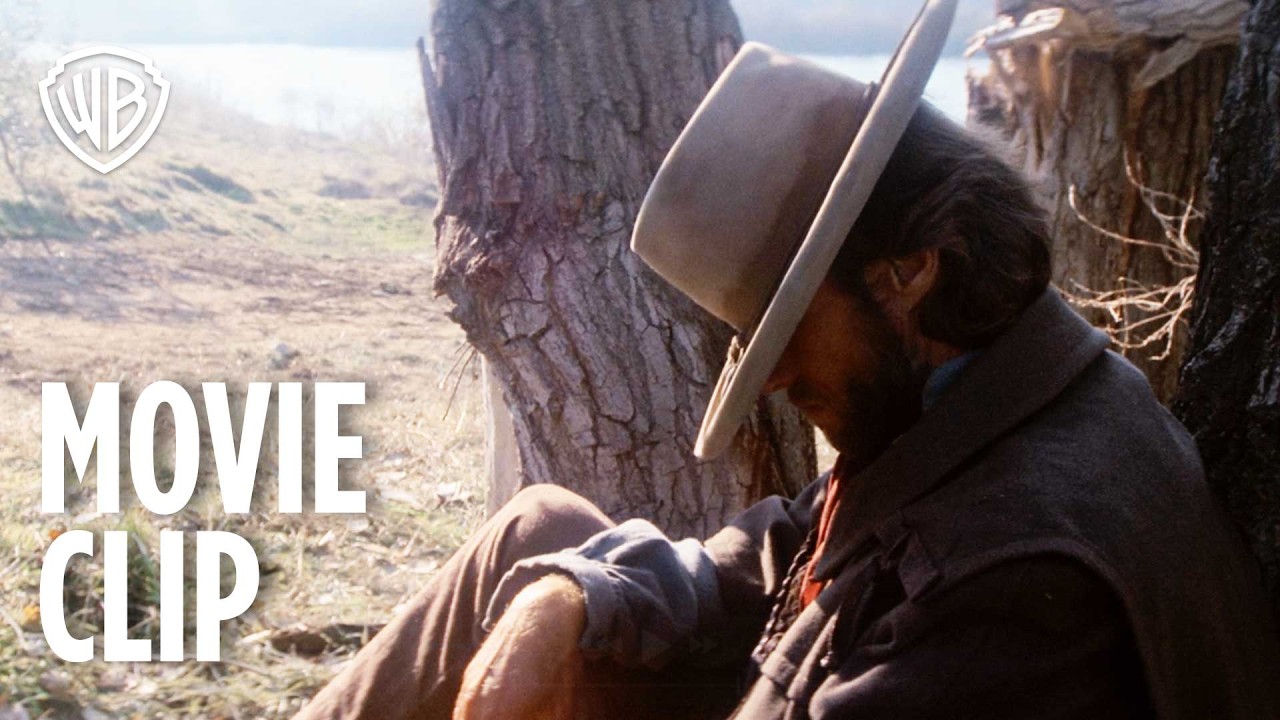
The “Turn Back” moment captures one of the central ideas of Josey Wales’ journey: sometimes the hardest thing a man can do is decide which direction to ride.
From the beginning, Josey is shaped by tragedy. His peaceful life as a Missouri farmer is destroyed during the Civil War when violence reaches his home. His family is murdered, his world disappears, and the man who once lived quietly becomes a fighter driven by anger. Josey joins the Confederate guerrillas, but his transformation is not simply about becoming a better gunfighter. It is about losing the person he used to be.
That is what makes his journey so compelling.
Josey does not ride across the West because he wants fame. He does not become an outlaw because he dreams of power. He is running from a past that refuses to let him go. Every encounter reminds him of what he has lost, and every enemy seems to represent another chapter of the violence that created him.
The command to “turn back” therefore carries far more meaning than a simple warning.
It represents the choice Josey repeatedly faces throughout the story. He can stop. He can surrender. He can turn away from danger and attempt to disappear. But turning back also means confronting everything behind him—the memories, the bloodshed, the grief, and the anger that have shaped his identity.
Clint Eastwood plays Josey with an extraordinary sense of restraint. Instead of constantly explaining what the character feels, Eastwood allows his face, posture, and silence to tell the story. Josey often looks like a man who has already experienced everything the world can throw at him. He does not need to boast about his courage. His calmness is enough.
That quiet confidence becomes one of the film’s greatest strengths.
The frontier around Josey is filled with people who want something from him. Some want his capture. Others want revenge. Some want money. Others simply want to survive. Josey gradually discovers that the people traveling alongside him can become more important than the revenge that originally drove him forward.
This transformation is one of the most powerful elements of The Outlaw Josey Wales.
At first, Josey appears almost completely consumed by vengeance. But as the story develops, he begins protecting people who have nothing to do with his original conflict. He becomes responsible for others. He starts thinking beyond himself. The hardened outlaw slowly becomes a protector.
That evolution makes moments like “Turn Back” emotionally important.
The question is no longer simply whether Josey can defeat another enemy. The real question is whether he can escape the cycle of violence that has controlled his life.
The film constantly places Josey at crossroads—both literal and emotional. Every road offers another possibility. He can continue running, continue fighting, or finally build something new. But the frontier is not kind to men trying to escape their past.
The visual style of the film reinforces this feeling. Vast landscapes surround Josey, yet he often appears isolated within them. The open West should represent freedom, but for Josey it can also feel like a place where there is nowhere to hide. His enemies can follow him across mountains, plains, and small frontier towns.
There is no easy escape from the man he has become.
And yet Josey keeps moving.
That determination connects directly to one of the film’s most memorable themes: perseverance. Josey has every reason to give up. His family is gone. His old life is gone. His identity has been transformed by war. But he refuses to let those losses become the final chapter of his story.
This is why the character remains so memorable decades after the film’s release.
Josey Wales represents a classic Western archetype, but Eastwood gives him a deeper emotional dimension. He is dangerous, but he is not without compassion. He is angry, but he is not without humanity. He is capable of violence, yet he gradually learns that protecting others can give his life a purpose that revenge never could.
The “Turn Back” moment can therefore be seen as another test of that transformation.
When someone tells Josey to turn back, the words challenge more than his physical direction. They challenge his determination, his identity, and his willingness to continue moving forward. Turning back could mean returning to fear. It could mean surrendering to the past. Moving forward means accepting that the past cannot be changed.
Josey does not have the luxury of forgetting.
He can only choose what to do with the pain.
That is what makes The Outlaw Josey Wales more than a traditional revenge Western. Beneath the gunfights and frontier action is a story about rebuilding a life after everything familiar has been destroyed. Josey begins as a man who believes revenge is the only thing keeping him alive. Gradually, he discovers that survival can become something more meaningful.
He can protect.
He can belong.
He can choose his own future.
Clint Eastwood’s direction keeps the film grounded in classic Western imagery while giving the story a surprisingly reflective tone. The landscapes are enormous, the violence is sudden, and the characters often speak with the bluntness expected of the genre. Yet beneath that tough exterior is a deeply human story about grief and resilience.
The “Turn Back” scene fits perfectly into that larger journey.
It reminds us that Josey Wales is always moving between two worlds. One is the world of the past—a world of war, revenge, betrayal, and loss. The other is the possibility of a future where he can finally stop running.
That tension is what makes his journey unforgettable.
For audiences watching the clip today, the moment can still feel powerful because the conflict is universal. Everyone understands what it means to be told to stop, surrender, or return to something they have already left behind. Josey’s response reflects the determination of someone who knows that his only chance is to keep going.
He may be an outlaw.
He may be hunted.
He may carry the scars of war for the rest of his life.
But he is still moving forward.
And that is the heart of Josey Wales.
The Outlaw Josey Wales remains one of Clint Eastwood’s defining Westerns because it understands that the strongest characters are not necessarily those who win every gunfight. Sometimes strength is simply refusing to let tragedy decide who you will become.
The “Turn Back” moment captures that idea perfectly.
Josey Wales has already lost almost everything. What remains is his freedom to choose his direction.
And when the frontier tells him to turn back, Josey reminds us why his legend was never really about how many enemies he could defeat.
It was about the fact that, no matter how far the past chased him, Josey Wales kept riding forward.
